Choosing window shades shouldn’t feel like solving a puzzle. You’re standing in your room right now, wondering if roller shades or cellular shades will actually work for your space. The light’s too bright, your energy bills are climbing, or maybe you just want more privacy. We get it.
Here’s what you’ll find in this guide: the real differences between roller and cellular shades, what each one does best, and which one fits your specific needs. No fluff. No salesperson tactics. Just straight answers from someone who’s helped hundreds of homeowners make this exact choice.
We’ll walk through costs, energy savings, light control, and style options. You’ll know exactly which shade solves your problem before you finish reading. This isn’t about pushing products. It’s about giving you the clear information you came here for so you can move forward with confidence.
What Are Roller Shades?
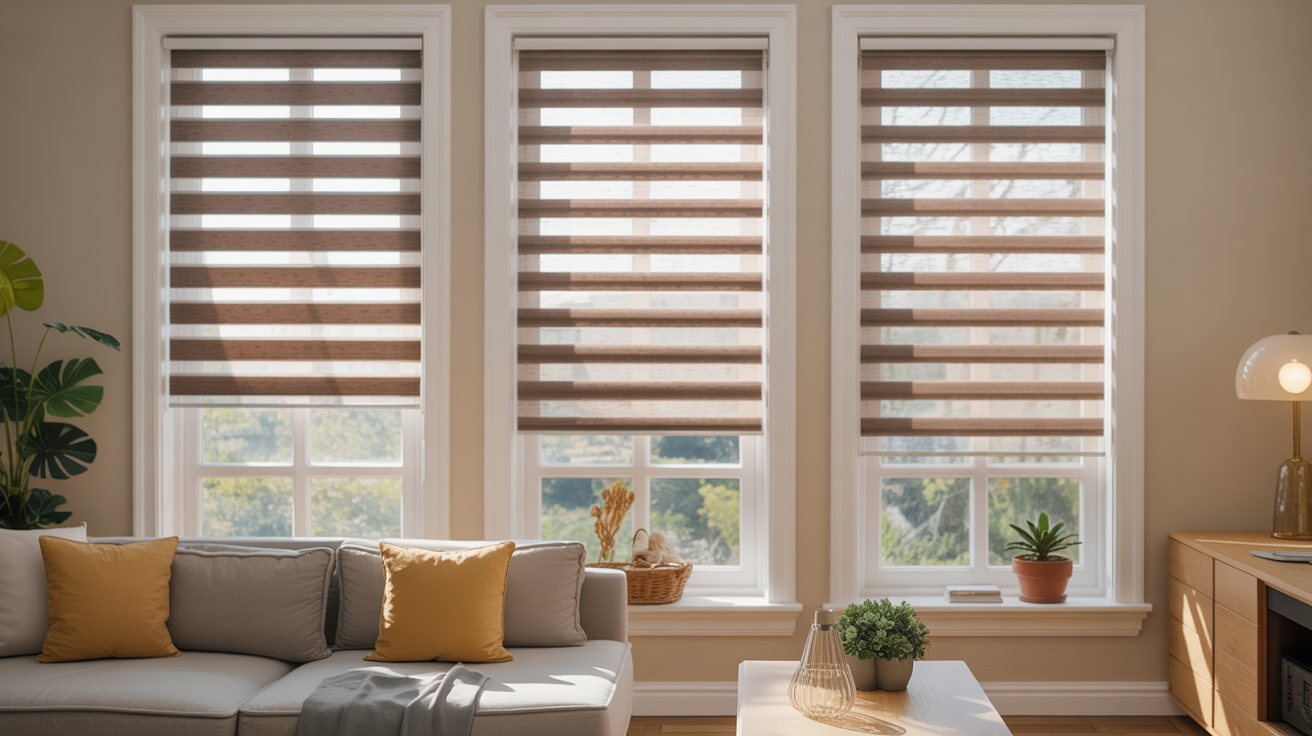
Think of roller shades as the no-fuss option. They’re just one piece of fabric that rolls up around a tube at the top of your window. Simple. Clean. Done.
- Sleek and minimal: perfect if you love modern spaces
- Material choices include: sheer, light-filtering, and blackout fabrics
- Contemporary style complements minimalist interiors beautifully
- Versatile use in: living rooms, offices, or modern apartments
You get a smooth look without any extra bulk. No complicated layers or folds.
What Are Cellular Shades?
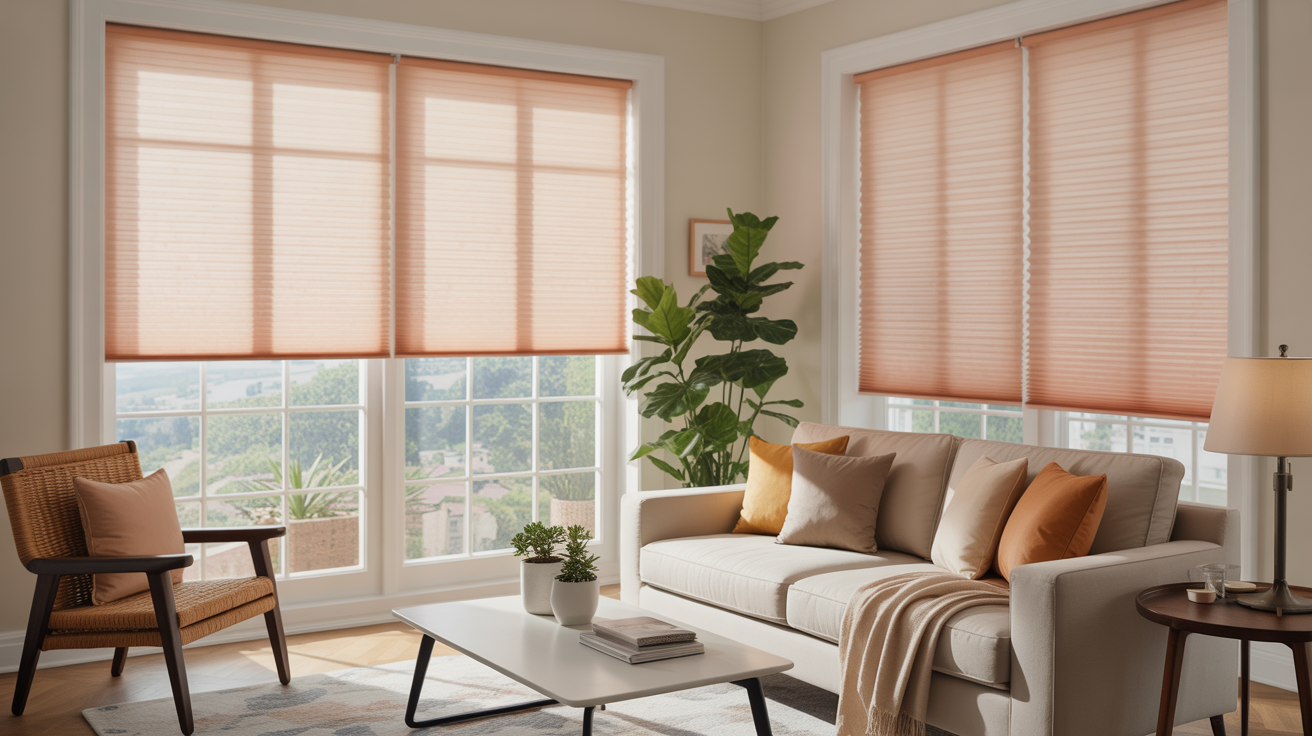
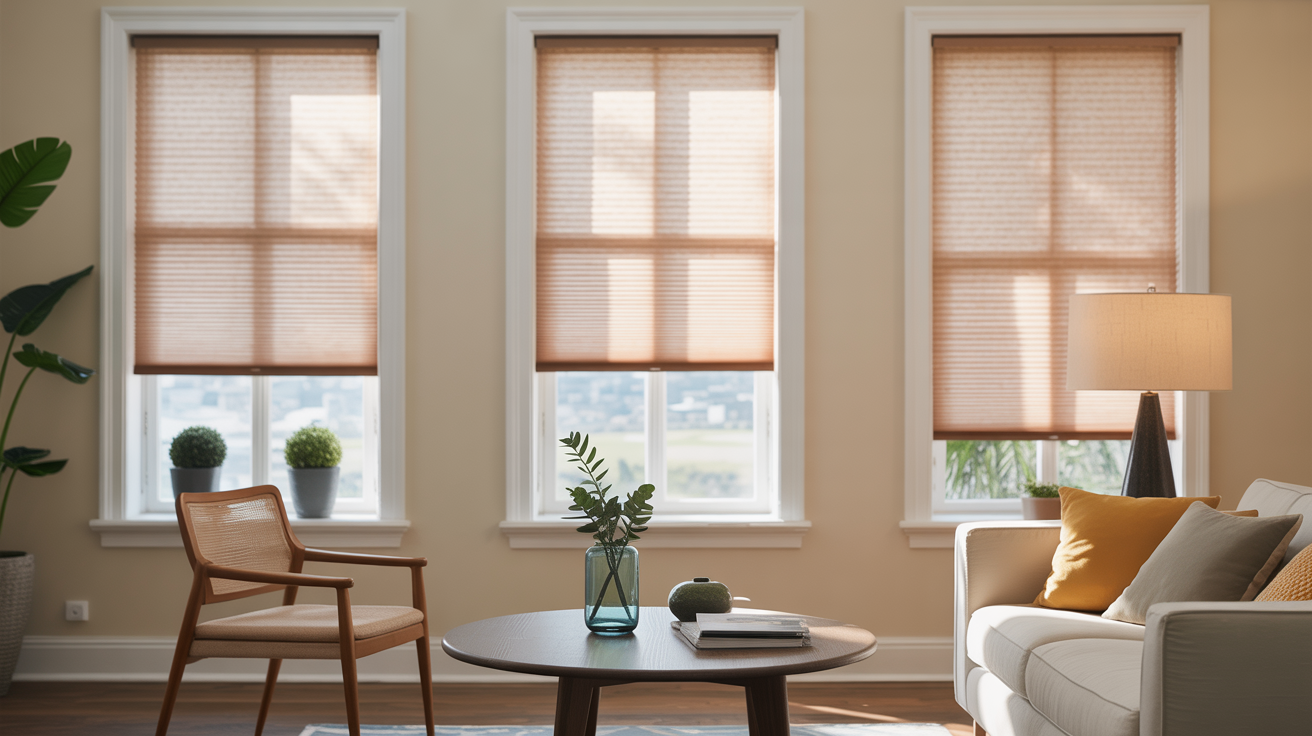
Cellular shades (also called honeycomb shades) are built differently. They have pleated cells that look like a honeycomb. That unique structure actually traps air inside.
- Better insulation traps: air pockets that help regulate your indoor temperature
- Energy savings mean: less heat escapes in winter, less heat enters in summer.
- Soft, structured appearance: with single, double, or triple cell layers
- Smart choice for: bedrooms or if you’re energy-conscious
The honeycomb design isn’t just for looks. It actually helps cut your energy bills while giving you a textured, polished finish.
Comparison: Roller Shades vs Cellular Shades
|
Feature |
Roller Shades |
Cellular Shades |
|
Construction |
Single fabric sheet on a tube, Flat, sleek design, Simple mechanism |
Honeycomb pleated cells, Textured, layered look, Top-down/bottom-up option |
|
Light Control |
Light-filtering to blackout options, Good glare reduction, and Small edge gaps are possible |
Excellent light diffusion, Superior privacy control, No visible silhouettes |
|
Energy Efficiency |
Moderate insulation, T thermal fabrics help slightly |
Excellent insulation, Traps air cells, lowers energy bills 10-25% |
|
Style |
Modern, minimalist, Hundreds of fabric choices, Clean lines |
Soft, cozy look, Fewer style options, Adds warmth and texture |
|
Operation |
Simple up/down control, Easy smart home integration |
Flexible positioning, Top-down/bottom-up control, Child-safe cordless options |
|
Maintenance |
Easy to clean, wipe with a damp cloth, low maintenance |
Requires more effort, Cells trap dust and need vacuuming |
|
Cost |
$200–$400 per window, Budget-friendly, DIY installation |
$400–$900 per window, Higher upfront cost, Long-term energy savings |
Choose roller shades for simplicity and style. Choose cellular shades for energy efficiency and privacy.
Room-by-Room Recommendations
I’ve tested shades in every room of my home. Here’s what works best where. You’ll find real solutions for real spaces.
Living Room
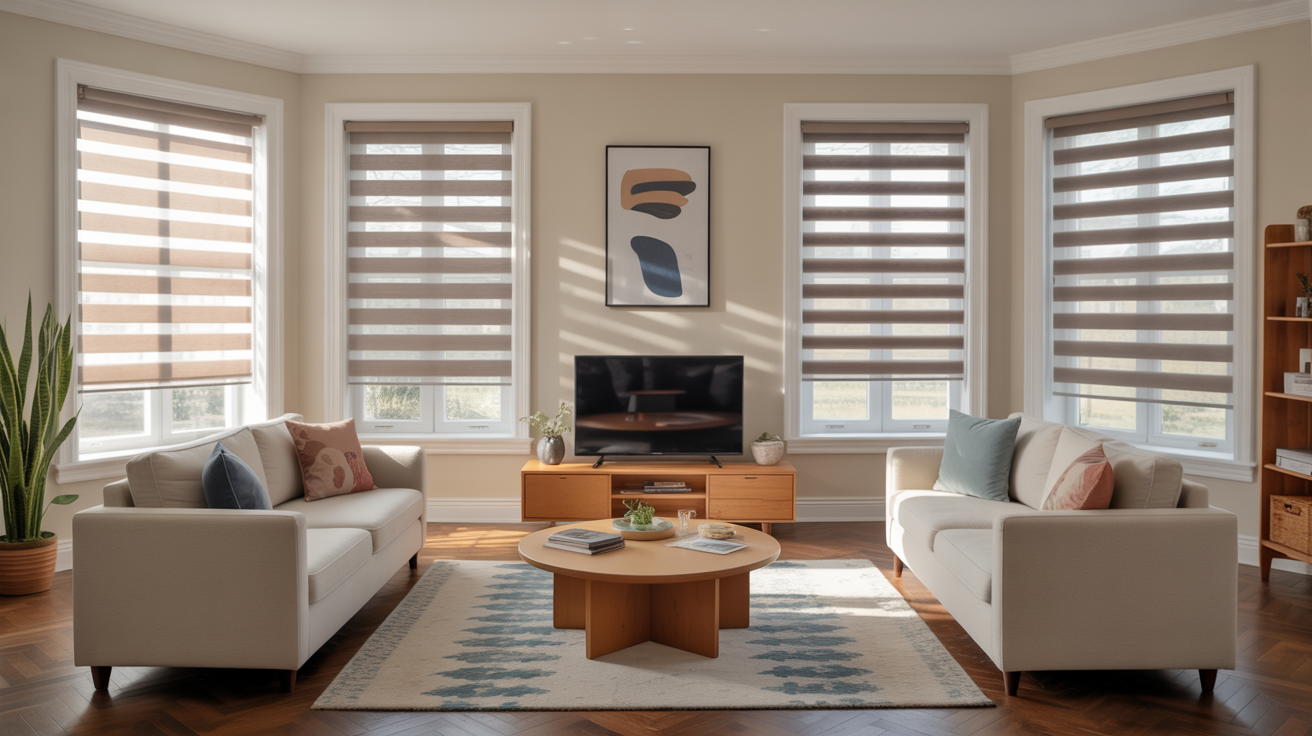
Your living room needs light control without darkness. Roller shades let you filter sunlight and cut glare during the day. They’re simple and clean.
Cellular shades work great for big windows. They keep your room comfortable all year. Plus, they quiet the outside noise.
Bedroom
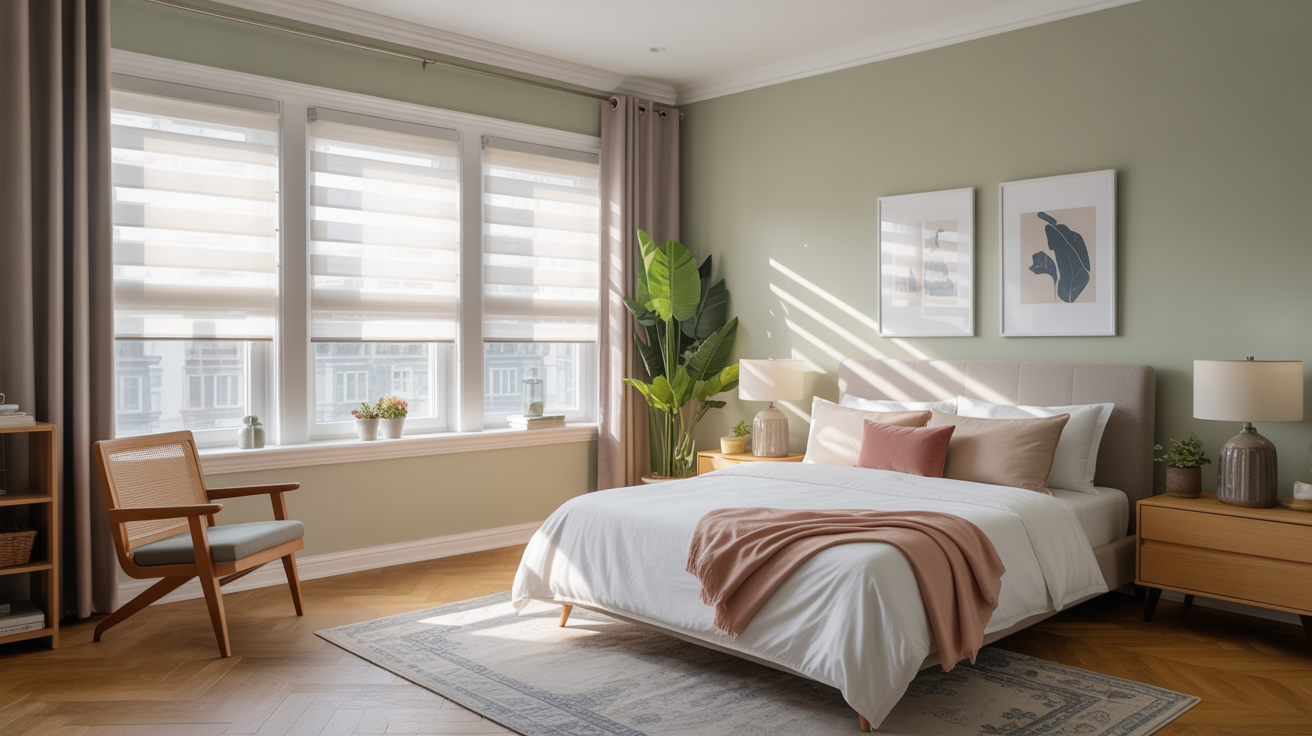
Sleep matters. Blackout roller shades give you complete darkness when you need rest. No light leaks through.
Want better insulation, too? Cellular shades in blackout do both jobs. You get darkness and temperature control.
Kitchen
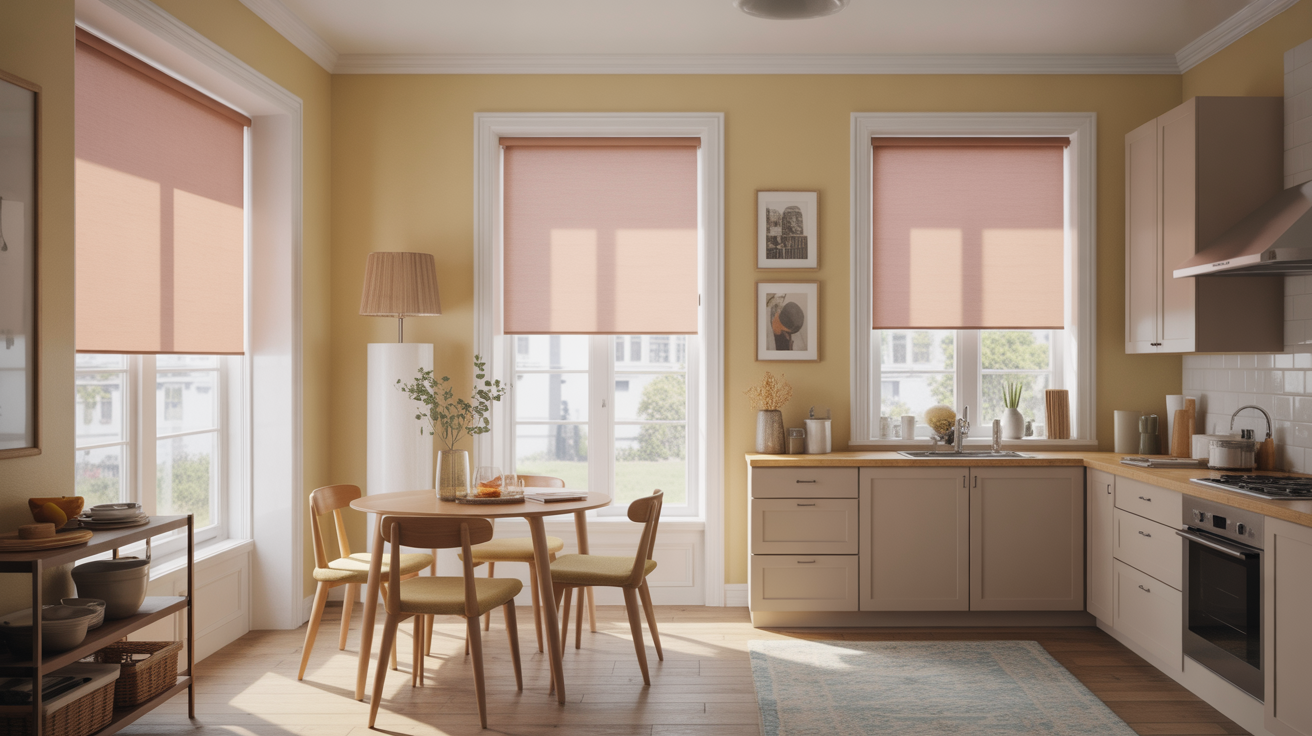
Kitchens get messy. Roller shades handle it because you can wipe them clean fast. Choose a moisture-resistant material, they last longer.
Skip cellular shades here. The delicate fabric doesn’t like humidity and grease. Save yourself the trouble.
Bathroom
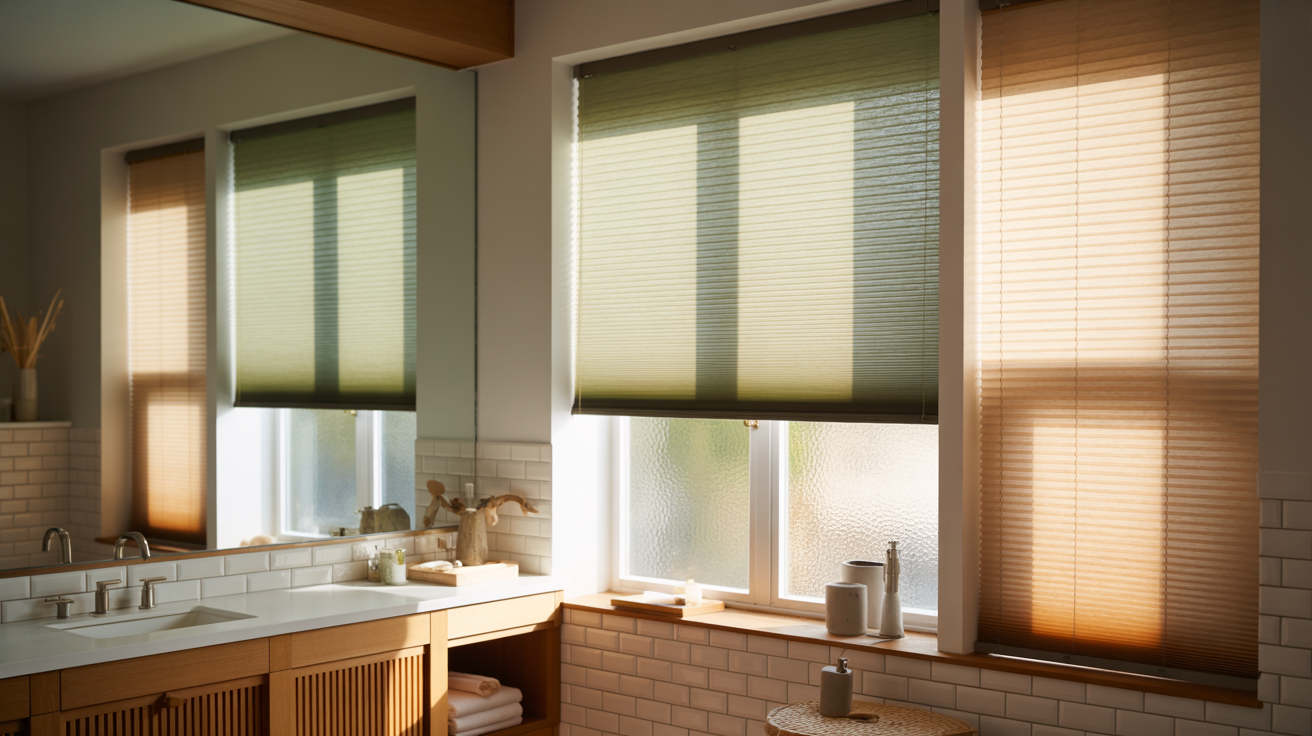
Roller shades work if you pick vinyl or polyester. Water won’t damage them. Keep it simple.
Cellular shades can work, but only with the right material. Get the humidity-tolerant type. The top-down/bottom-up feature lets you keep privacy while letting light in from above.
Home Office
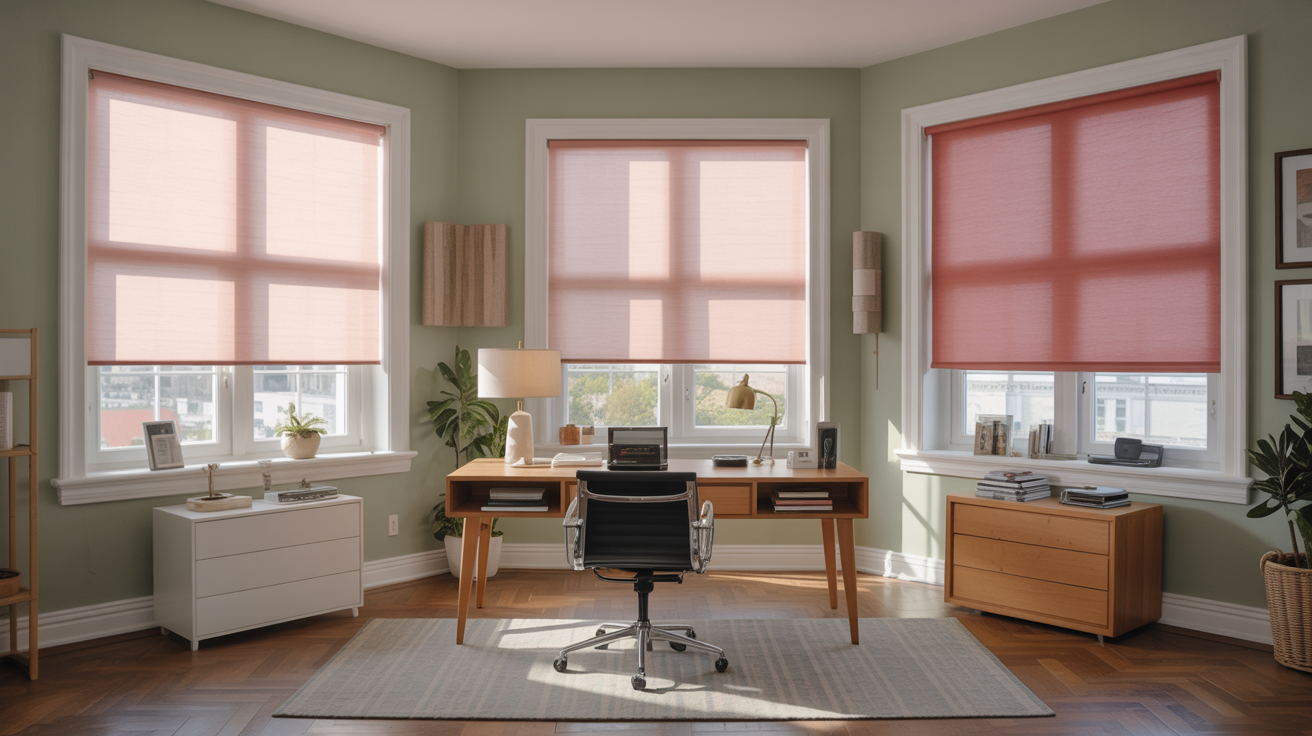
Screens and glare don’t mix. Light-filtering roller shades solve this problem. You can work without squinting.
Cellular shades keep your office comfortable when the sun beats down. Temperature swings hurt focus. These shades prevent that.
Pros and Cons Summary
I’ve laid out the facts. Now you need the full Overview. Let’s compare what each shade type brings to your home.
Pros of Roller Shades
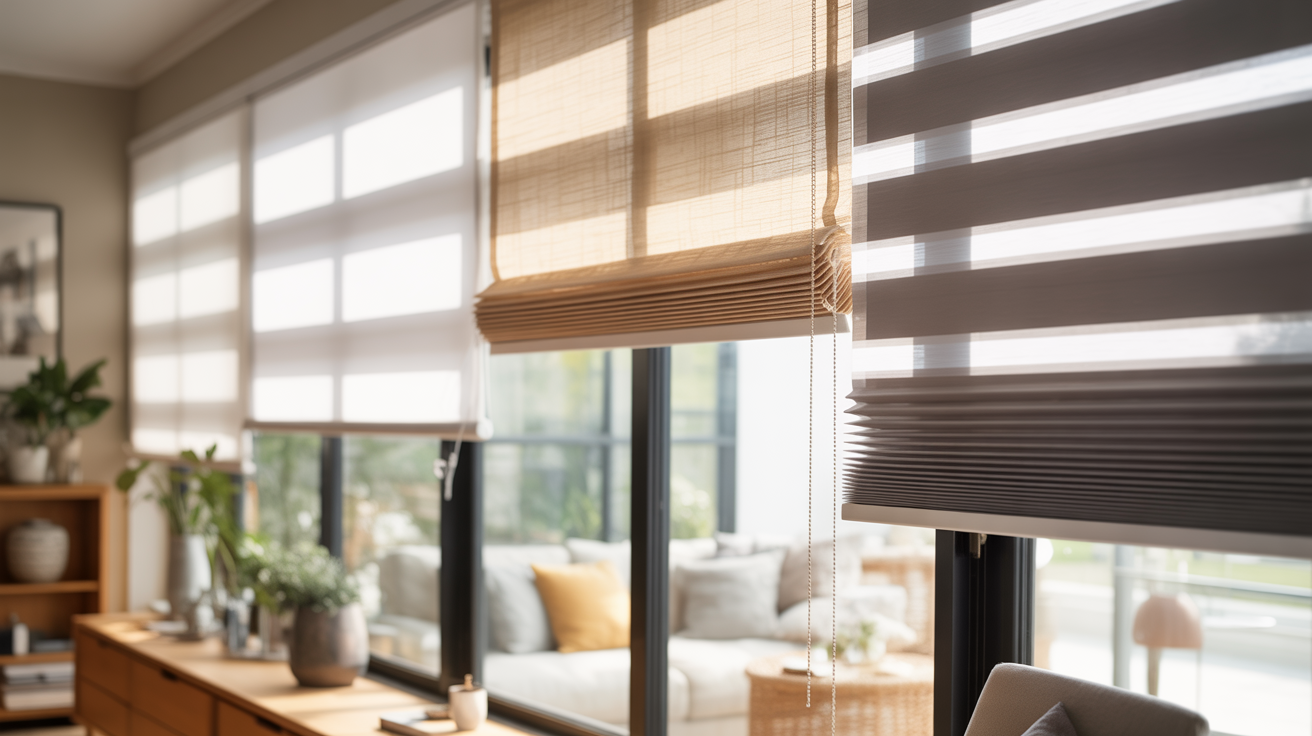
Roller shades keep things simple and clean. You get style without complexity. They fit almost any budget.
- Sleek design: These shades look modern and minimal. They blend into any room without demanding attention.
- Easy maintenance: Wipe them down fast when they get dirty. No special cleaning tools needed.
- Wide variety: Choose from hundreds of fabrics and patterns. Find exactly what matches your space.
Cons of Roller Shades
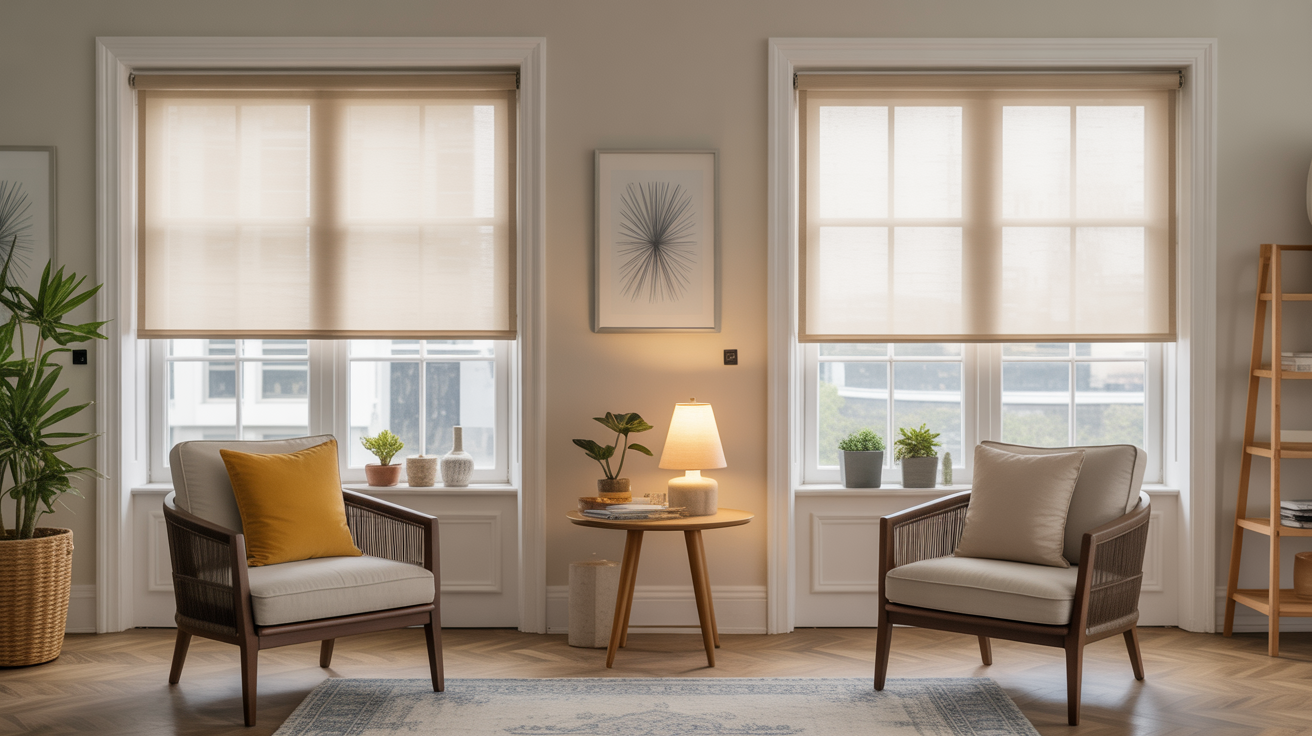
Nothing’s perfect. Roller shades have real limitations you should know about.
- Less insulation: They don’t trap air like cellular shades do. Your energy bills won’t drop as much.
- Light gaps: Small spaces at the edges let light sneak through. Complete darkness is hard to achieve.
- Limited soundproofing: Outside noise still comes in clearly. Don’t expect much acoustic help.
Pros of Cellular Shades
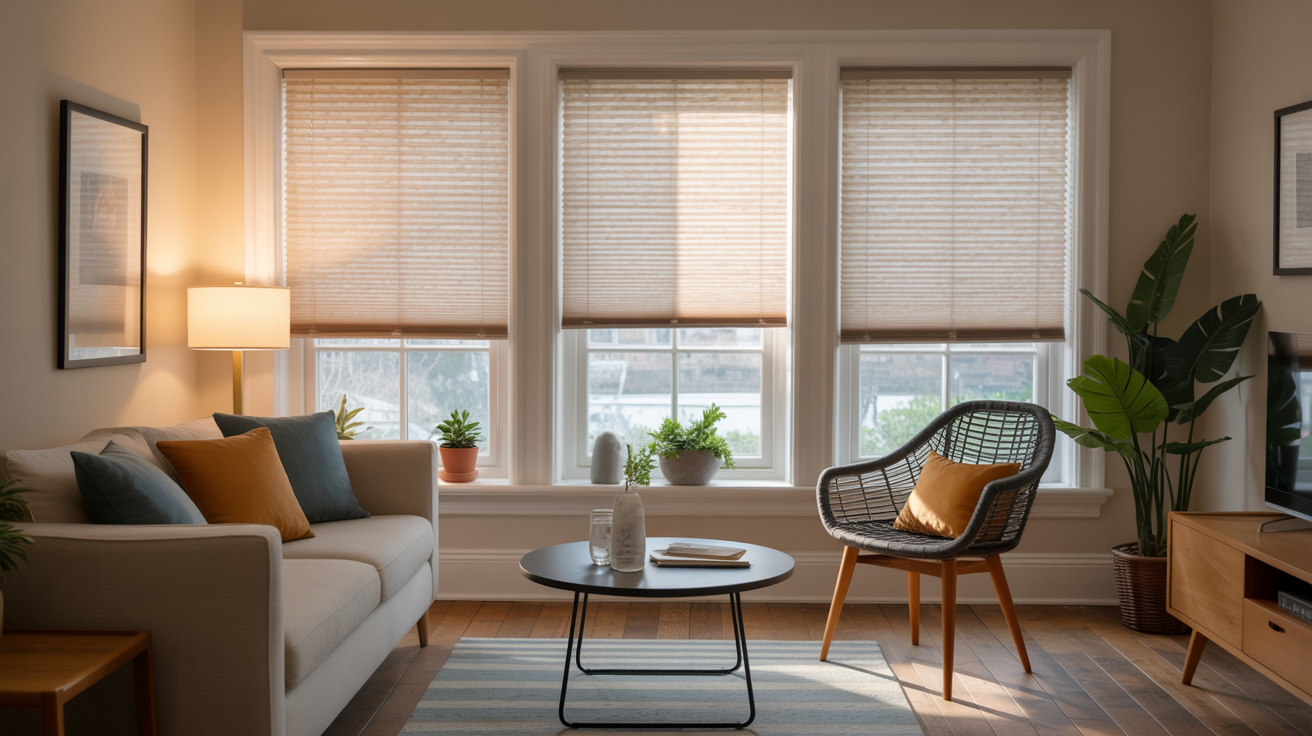
Cellular shades excel at energy efficiency. I’ve seen real savings on heating and cooling bills. They do more than look good.
- Superior insulation: The honeycomb design traps air inside. This keeps your rooms comfortable year-round.
- Excellent privacy: The thick fabric blocks views completely. Plus, they reduce noise from outside.
- Flexible operation: Top-down/bottom-up lets you control light and privacy separately. Get what you need when you need it.
Cons of Cellular Shades
These shades cost more upfront. Maintenance takes extra care. Think about whether the benefits justify the drawbacks.
- Higher cost: You’ll pay more initially compared to roller shades. The investment adds up fast for multiple windows.
- Cleaning challenges: Dust collects in the honeycomb cells easily. Cleaning them properly takes time and patience.
- Fewer styles: Your design options are more limited. You won’t find as many patterns or bold colors.
How to Choose Between Roller and Cellular Shades?
I know choosing between these shades can feel confusing. But it doesn’t have to be. Let me walk you through a simple way to decide what works for your home.
Consider Your Priorities
Think about what matters most to you. Each shade type shines in different areas.
- For energy efficiency: Choose cellular shades
- For budget-friendly simplicity: Choose roller shades
- For modern minimal style: Roller shades
- For cozy insulation and privacy: Cellular shades
Match your biggest need to the right shade. It’s that simple.
Think Room-Specific
Not every room needs the same thing. Your bathroom has different needs than your bedroom. Humidity matters. So does light control.
I suggest matching the shade type to each room’s specific needs. A steamy bathroom? Go with a moisture-resistant roller shade. A bedroom that gets hot in summer? Cellular shades will keep it cooler.
Long-Term Outlook
Cellular shades cost more upfront. But they can lower your energy bills. Those savings add up over time.
Roller shades work great for short-term situations. Renting? Moving soon? They’re your best bet. You get style without the big investment.
Installation and Maintenance Tips
Getting your shades installed right makes all the difference. I want you to avoid the common mistakes I see people make. Proper setup means your shades will last longer and work better.
- Measure carefully: Check if you want an inside or outside mount. Each requires different measurements. Get this wrong and your shades won’t fit.
- Window depth: Make sure your window frame is deep enough for the shade brackets. Cellular shades need more space than roller shades.
- Regular cleaning: Vacuum your shades gently or wipe them with a damp cloth. Dust builds up fast if you ignore it.
- Professional help: Consider hiring someone for motorized shades or extra-wide windows. These installations can get tricky.
- Check hardware: Tighten brackets and mounting screws every few months. Loose hardware causes sagging and damage over time.
Conclusion
So, Roller Shades vs Cellular Shades, what’s the verdict? It really comes down to what matters most in your home. Roller shades give you sleek style and easy light control. Cellular shades deliver serious energy savings and insulation. Both have their place.
You now know the costs, benefits, and best uses for each type. Your window covering decision just got a whole lot easier. If you’re after modern minimalism or lower utility bills, you’ve got the information you need to choose wisely.
Still have questions about which shade fits your specific room? Drop a comment below. We read everyone and love helping people find their perfect match. And if this guide helped you out, share it with someone else who’s stuck between these two options.
Frequently asked questions
What is the main difference between roller shades and cellular shades?
Roller shades are flat fabric that rolls up on a tube, offering a sleek, minimalist look. Cellular shades have a honeycomb structure that traps air for insulation. Roller shades prioritize style and light control, while cellular shades focus on energy efficiency and temperature regulation.
Which is better for insulation, roller shades or cellular shades?
Cellular shades are significantly better for insulation. Their honeycomb design creates air pockets that block heat transfer, reducing energy costs by up to 20%. Roller shades provide minimal insulation since they’re just a single fabric layer without air-trapping capabilities.
Are roller shades or cellular shades more expensive?
Roller shades are typically less expensive, starting around $20-30 per window for basic options. Cellular shades cost more due to their complex construction, usually starting at $40-50. However, cellular shades may save money long-term through lower energy bills.
Which is easier to clean and maintain?
Roller shades are easier to maintain. Simply wipe them with a damp cloth or vacuum with a brush attachment. Cellular shades require more careful cleaning due to their honeycomb cells, which can trap dust. Use compressed air or gentle vacuuming to avoid damaging the pleats.
Do roller shades or cellular shades look more modern?
Roller shades offer a cleaner, more contemporary look with their flat, streamlined design. They’re popular in minimalist and modern spaces. Cellular shades have a textured, traditional appearance due to their pleated structure, though they suit various design styles effectively.
Leave a Reply