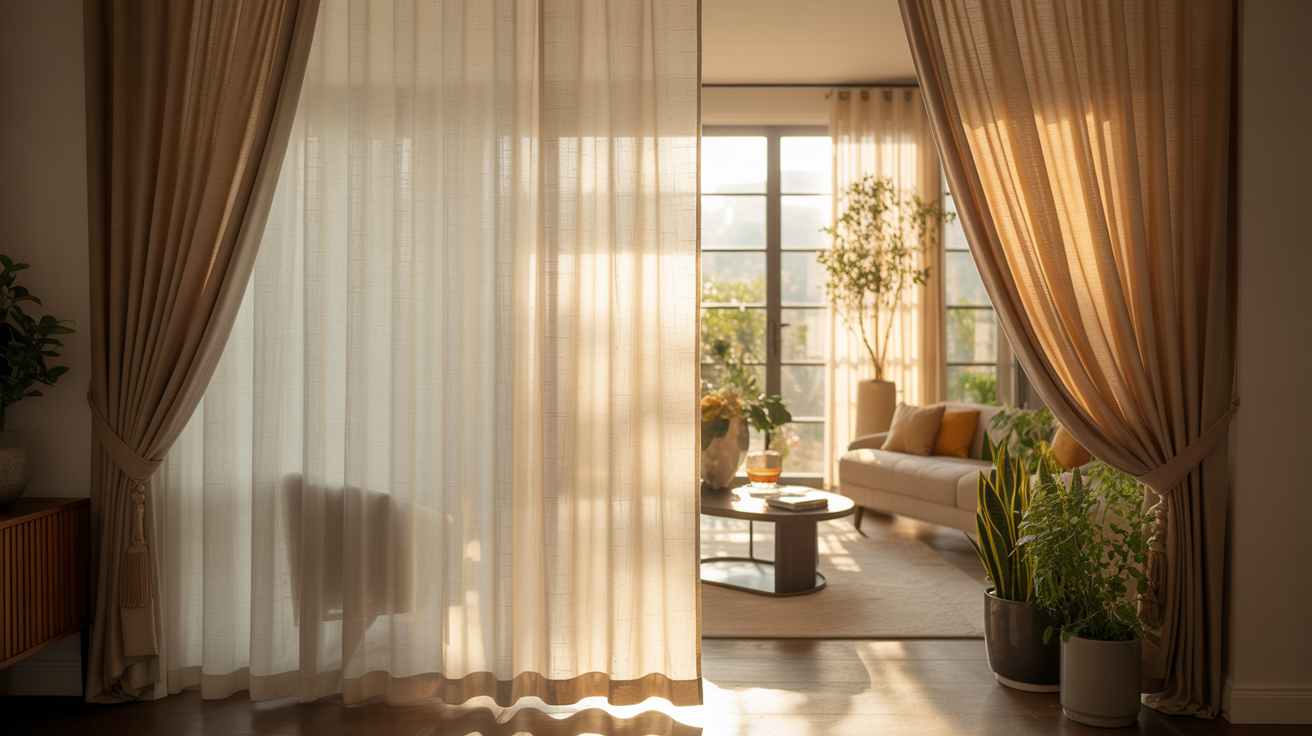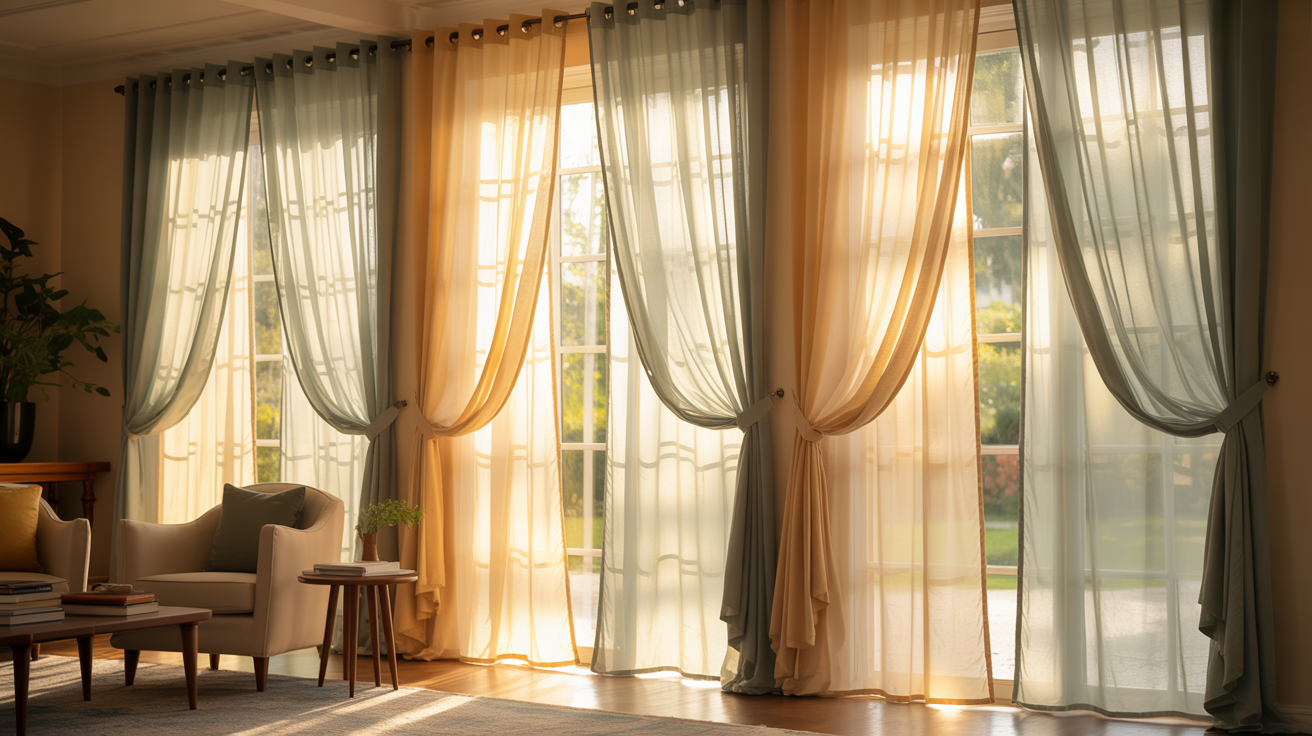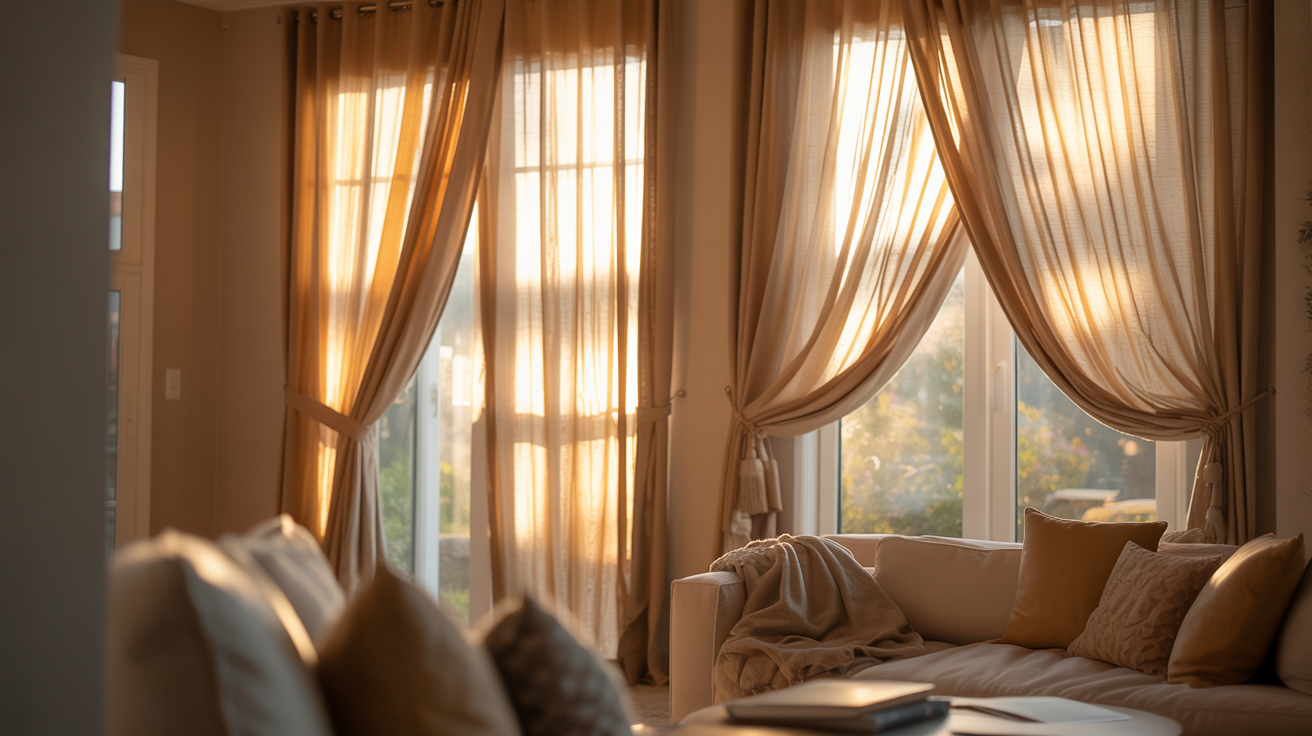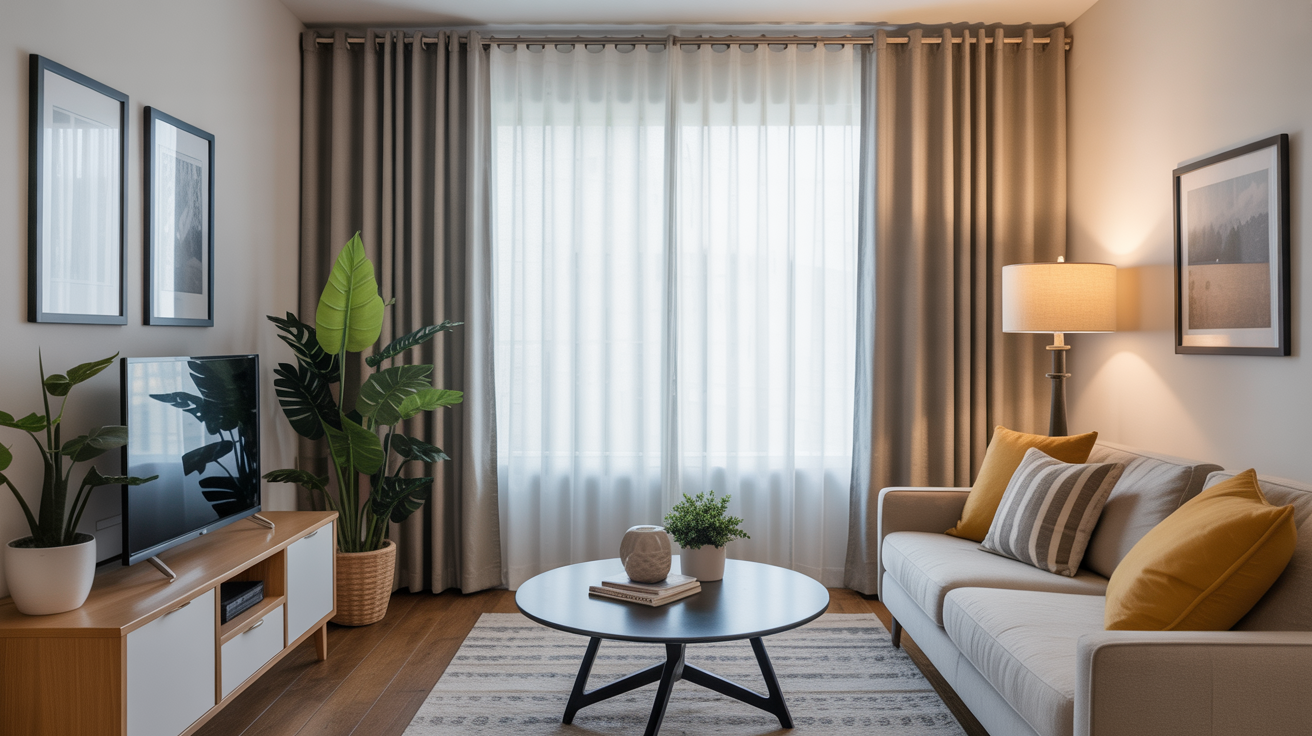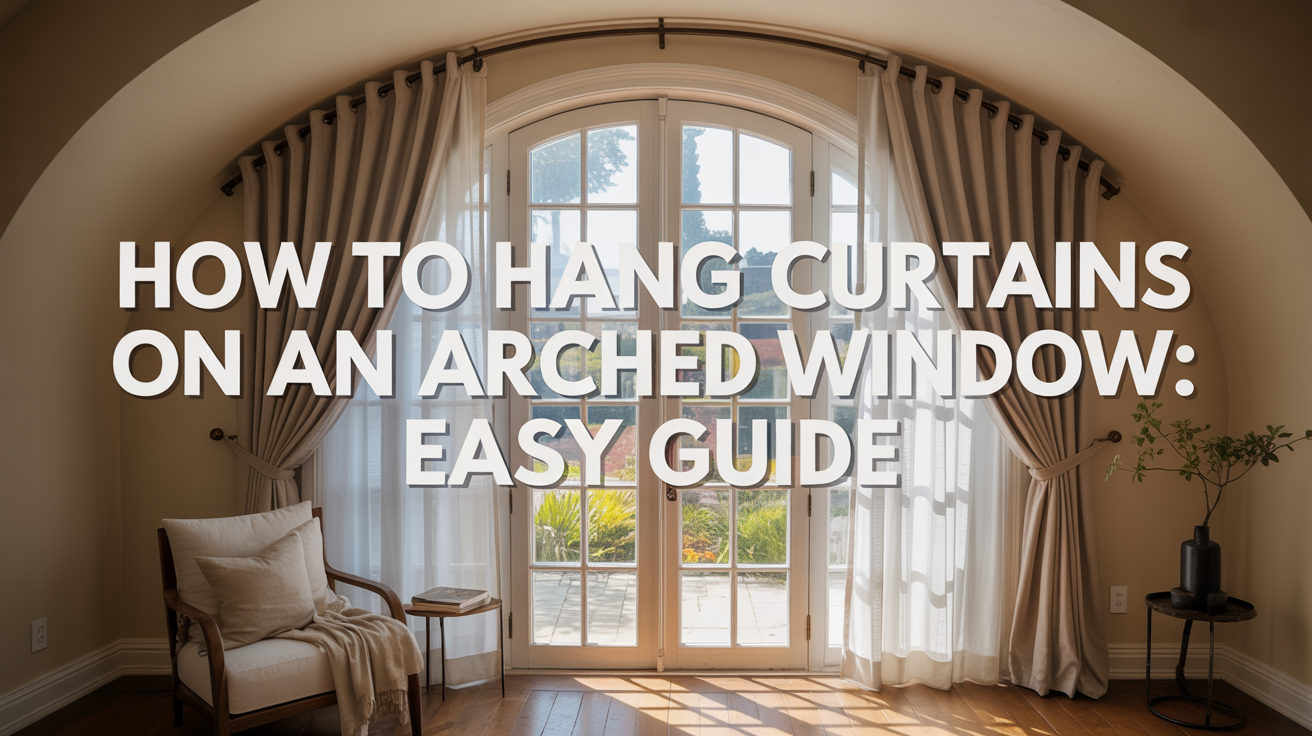
Arched windows are beautiful, but hanging curtains on them? That’s where most people get stuck. You’re probably standing there right now, wondering if you need special hardware or if regular curtain rods will even work.
Here’s the truth: hanging curtains on arched windows is easier than you think. This guide walks you through everything. You’ll learn what hardware actually works, how to measure correctly, and much more. I’ve helped dozens of homeowners tackle this exact problem, and the tricks I’m sharing here come from real experience, not just theory.
Your arched window will have curtains by the end of today. No complicated jargon. No expensive tools you’ll never use again. Just straightforward instructions that work. If your arch is dramatic or subtle, we’ve got you covered with practical solutions that look great and stay put.
What Makes Arched Windows Special?
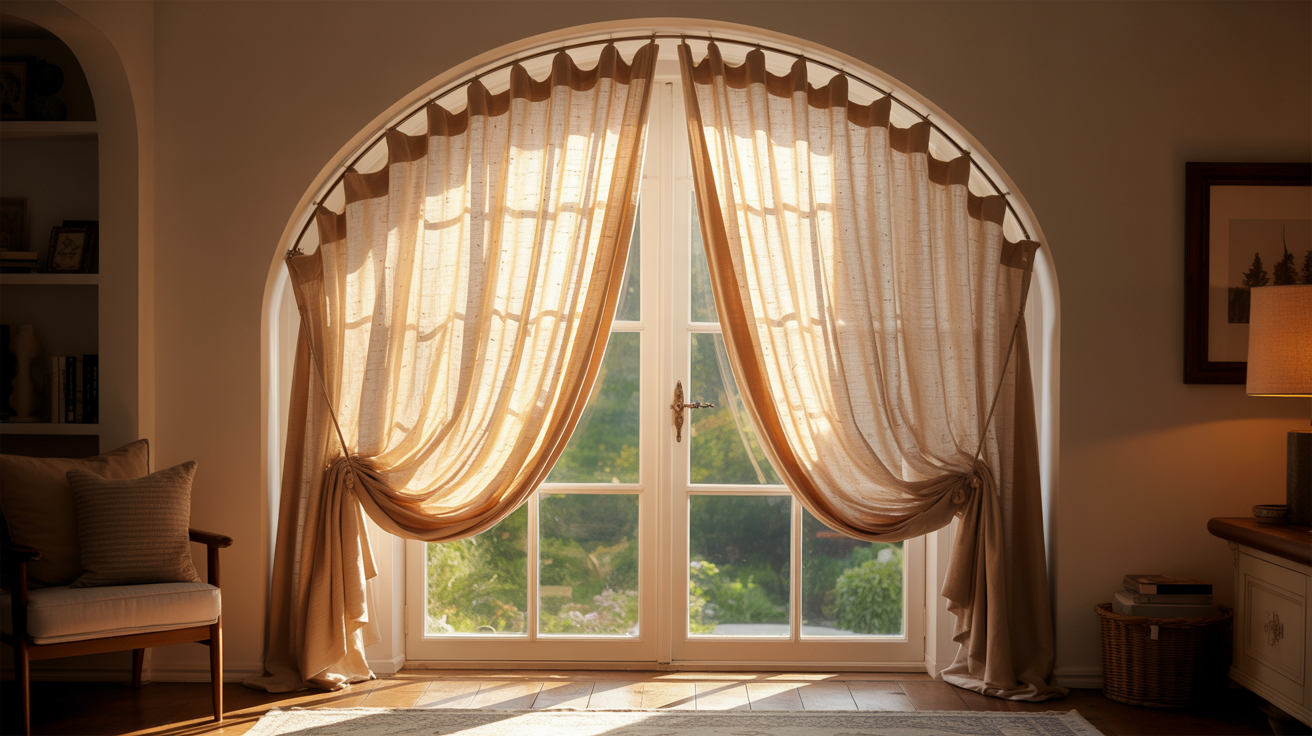
I’ve worked with countless window styles over the years. But arched windows? They’re in a category all their own.
These beauties have a curved top instead of the standard straight edge you see everywhere. The arch can be subtle or dramatic. Either way, it changes the entire feel of a room.
1. The Appeal of Arched Windows
Arched windows are windows with a curved or rounded top section. You’ll find them in homes that want to make a statement. They’re not just functional, they’re architectural features.
- They add softness and charm to any room
- They draw your eye upward and flood spaces with natural light
- They break up boxy layouts with beautiful curves
The curve creates visual interest that flat windows can’t match. But here’s the catch: standard curtain rods don’t work. You need special solutions for that arch.
2. Common Types of Arched Windows
Not all arched windows look the same. Understanding your specific type helps you pick the right curtain approach.
- Full Arch (Round Top): This style has one continuous curve across the entire top. No straight edges, just a smooth arc. You’ll see these in living rooms and grand entryways.
- Half Arch (Segmental Arch): view a rectangular window with a gentle curve on top. The curve is less dramatic. These work well in transitional homes that blend traditional and modern styles.
- Elliptical Arch: This arch has an oval-shaped curve instead of a perfect circle. It’s wider than it is tall. Mediterranean and modern homes favor this refined style.
- Eyebrow Arch: This one has a shallow, subtle curve above wide windows. It sits like a raised eyebrow over the view windows. The curve is so gentle you might not notice it at first.
Once you identify which type you have, choosing your hanging method becomes easier. Each arch style has solutions that work best for its curve.
Before You Hang: Planning the Look
Don’t rush to the hardware store yet. A little planning now saves you from expensive mistakes later.
- Define your priority. Do you need privacy for a bedroom? Light control for a home office? Or do you want to show off that gorgeous arch in your living room? Your room’s purpose shapes every decision.
- Measure precisely. Get the full width and complete height, including that curved top. Then decide: will you cover the arch completely, hang curtains below it, or use a curved rod that follows the shape? This choice determines where your hardware goes.
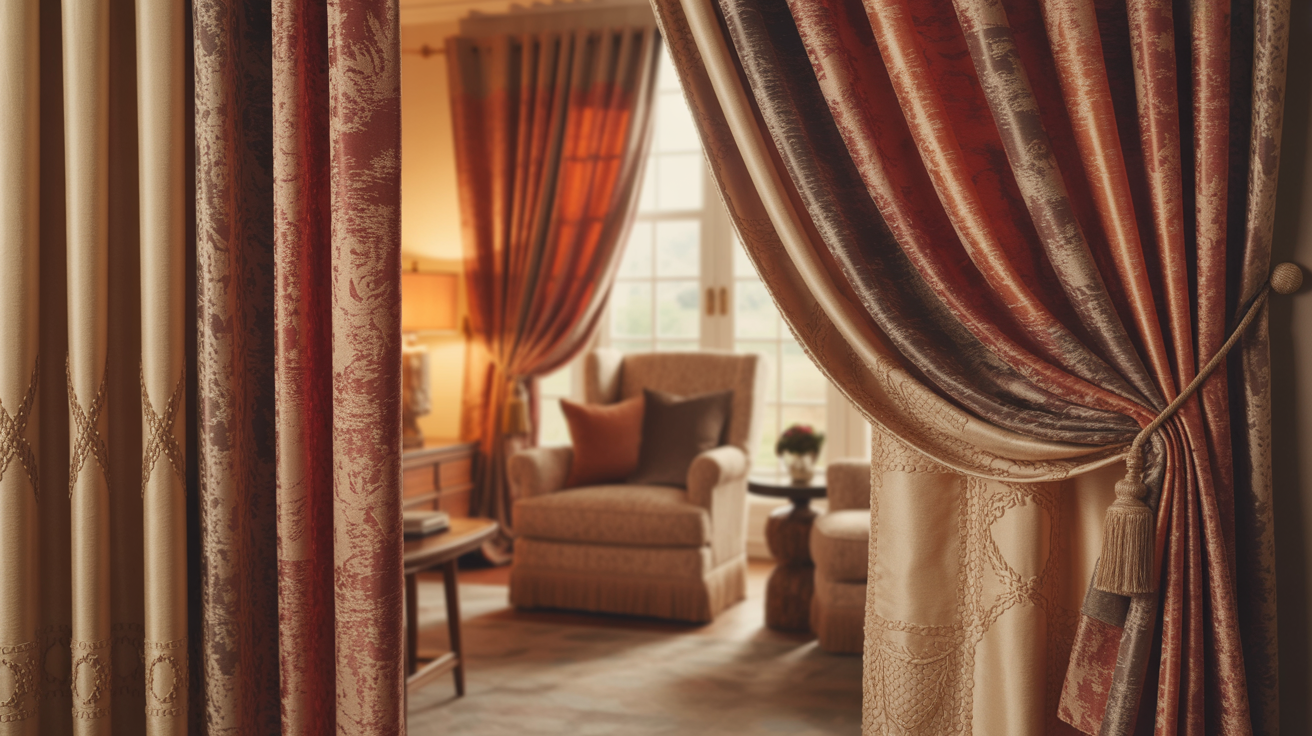
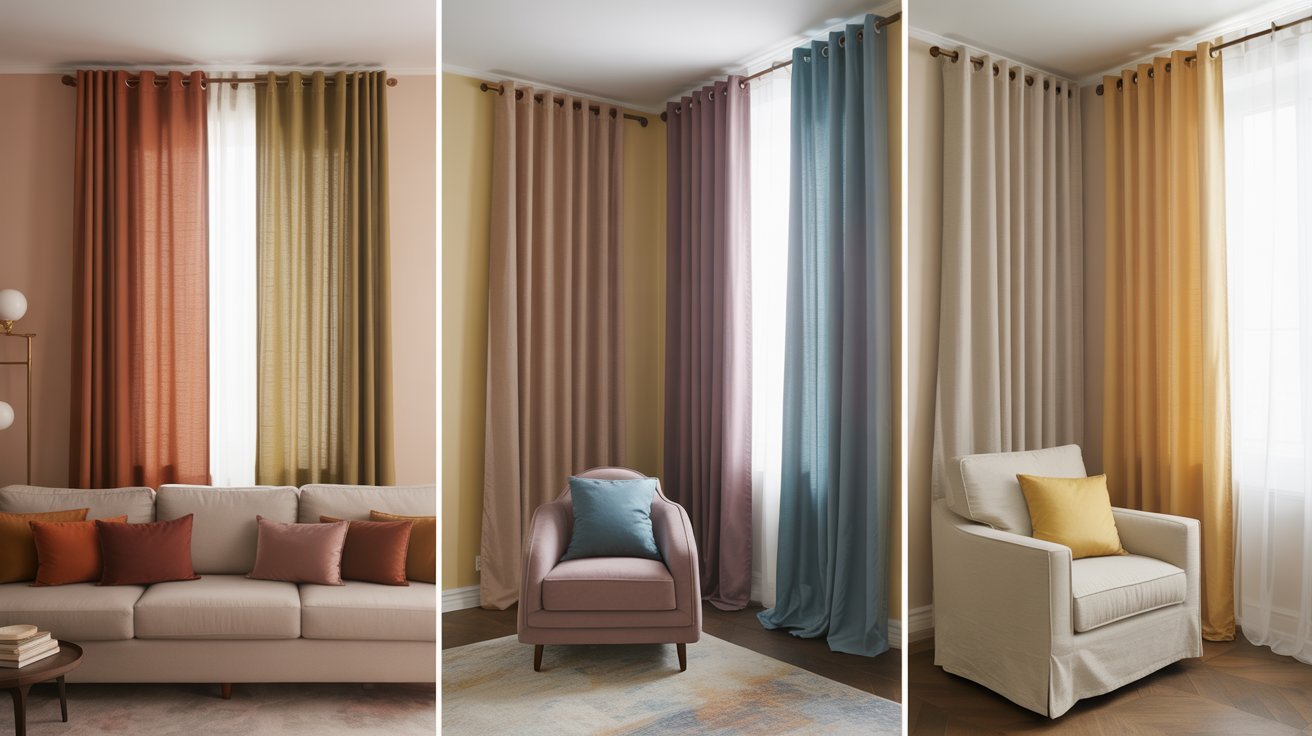
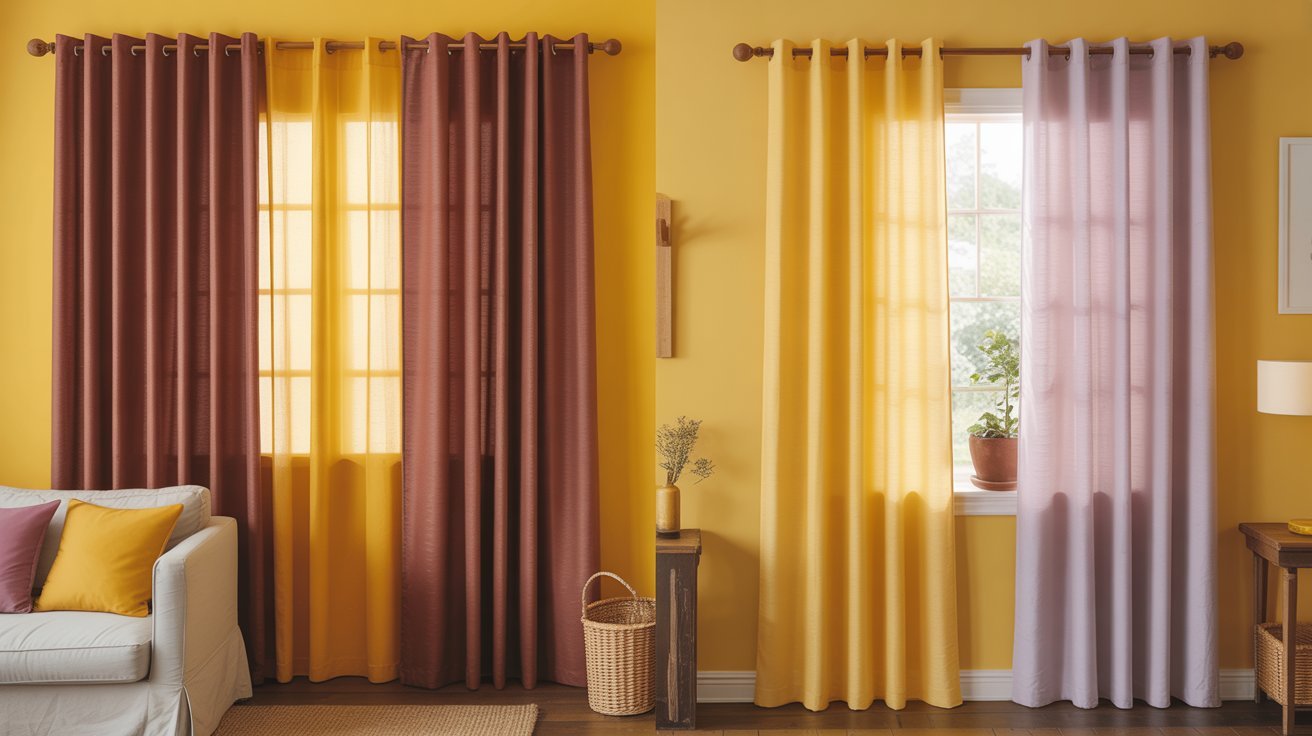
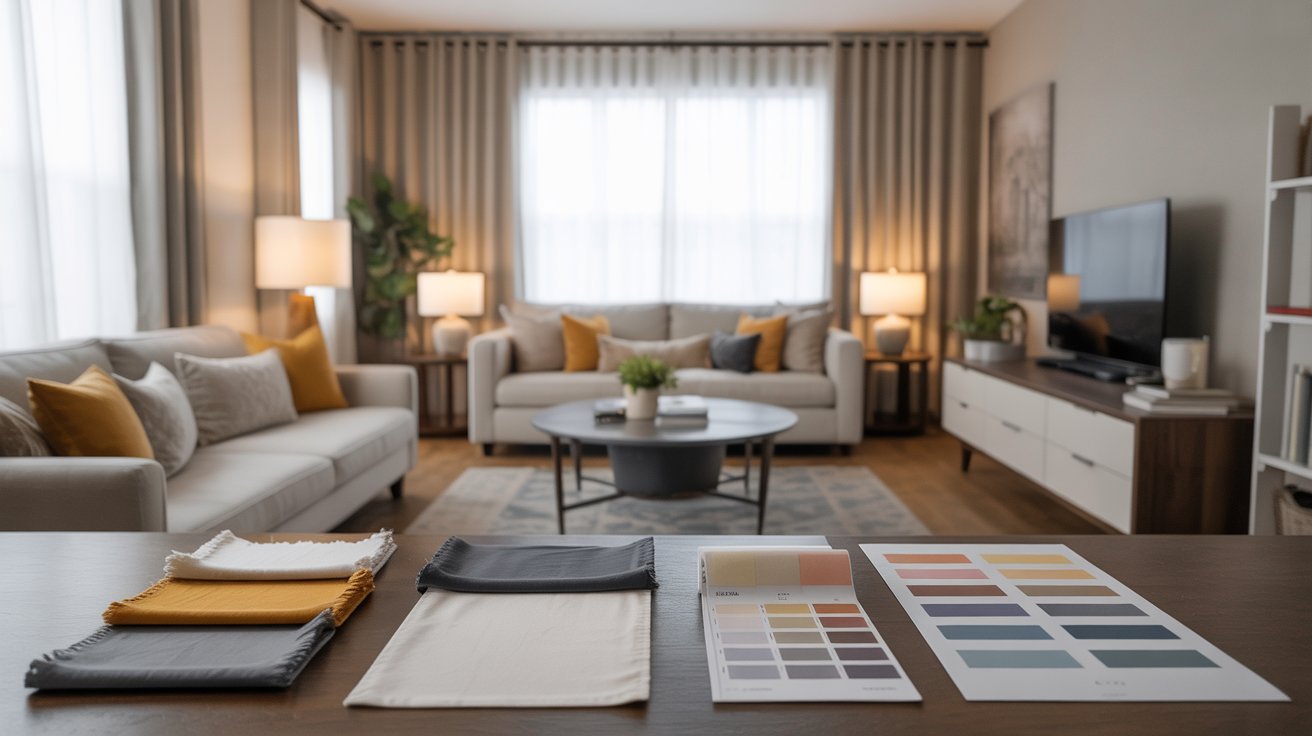
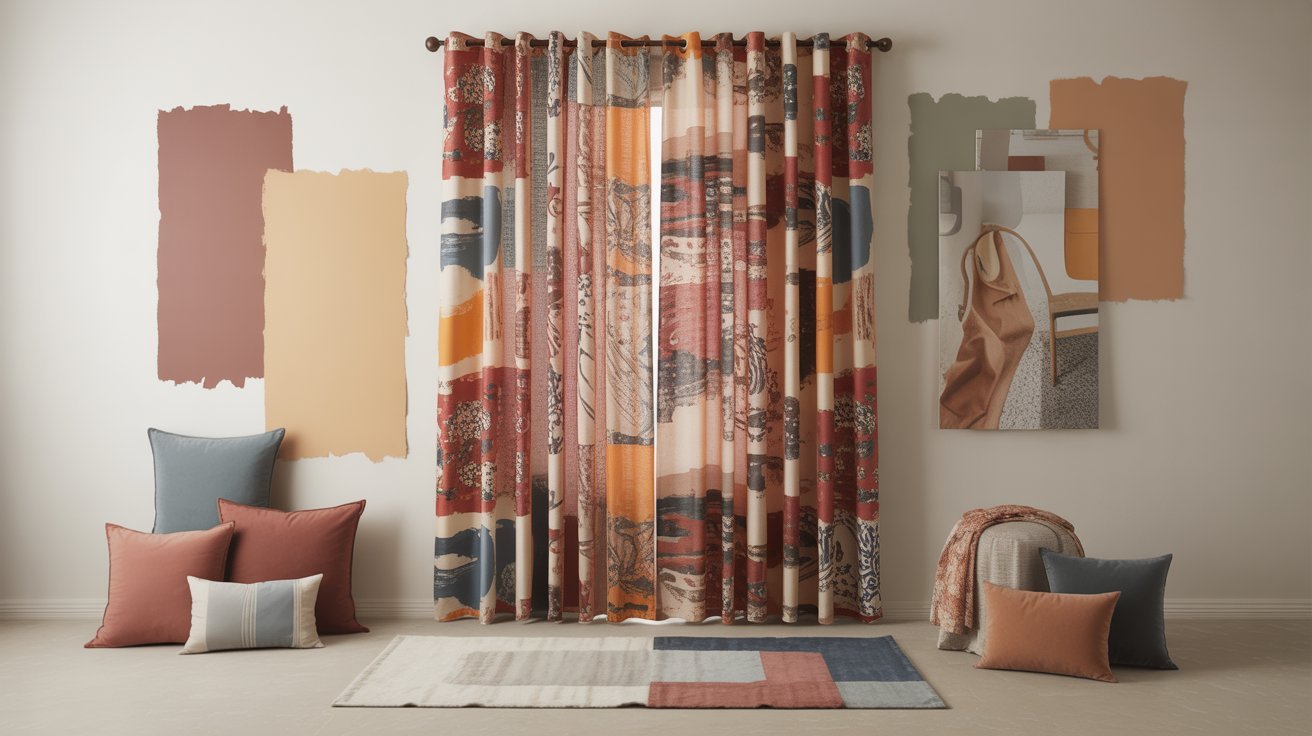
- Choose your style. Traditional style uses pleated drapes, modern simplicity uses ripple folds or clean lines, and romantic softness comes from swags and sheers. Match your fabric weight and texture to the space.
Get these basics right, and the actual installation becomes much easier. Skip this planning? You’ll waste time, money, and fabric on solutions that don’t work for your space.
How to Hang Curtains on an Arched Window
You’ve got six main ways to hang curtains on arched windows. Each method works differently depending on your needs.
1. Mount Above the Arch
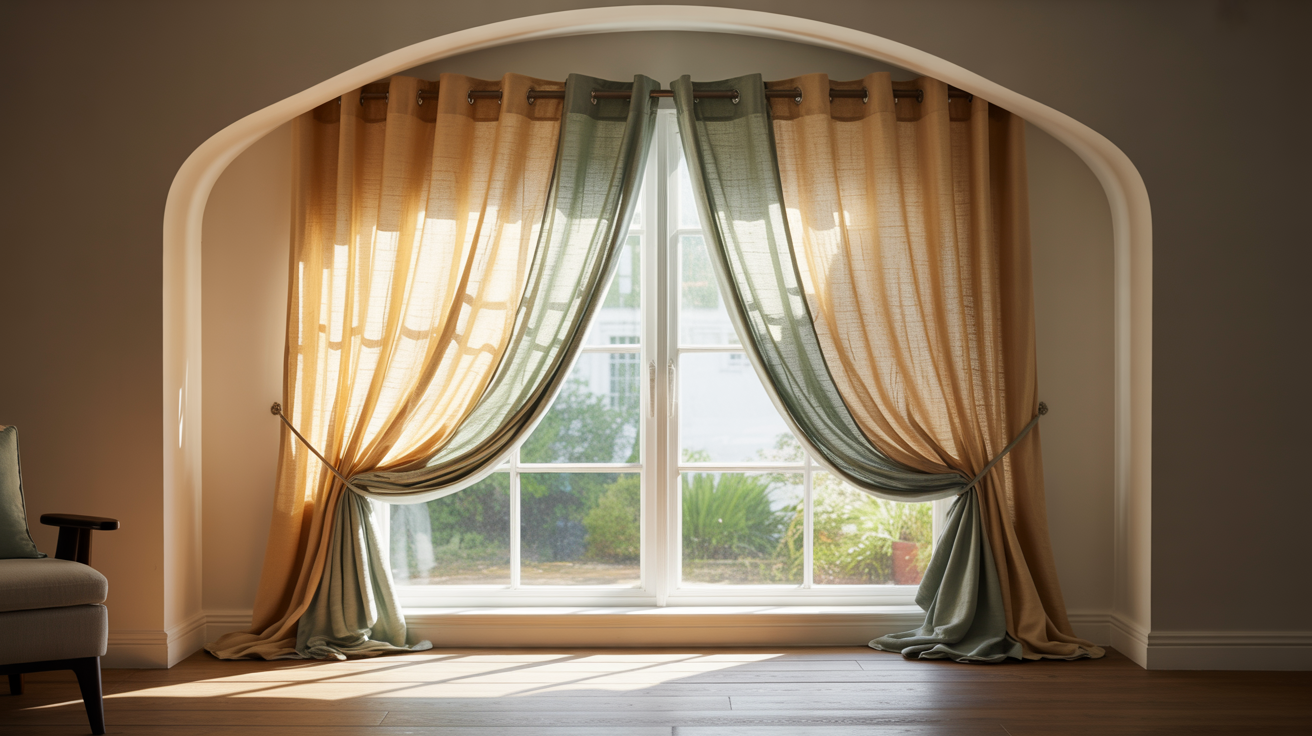
Install your curtain rod or track above the curve, on the wall or ceiling. This is the most popular method I recommend to clients.
- You get maximum privacy and light control when the curtains are closed
- It makes your ceilings look taller and windows appear larger
- Perfect for bedrooms or any room needing full coverage
Use motorized track systems for tall installations. You don’t want to wrestle with a pull cord every morning.
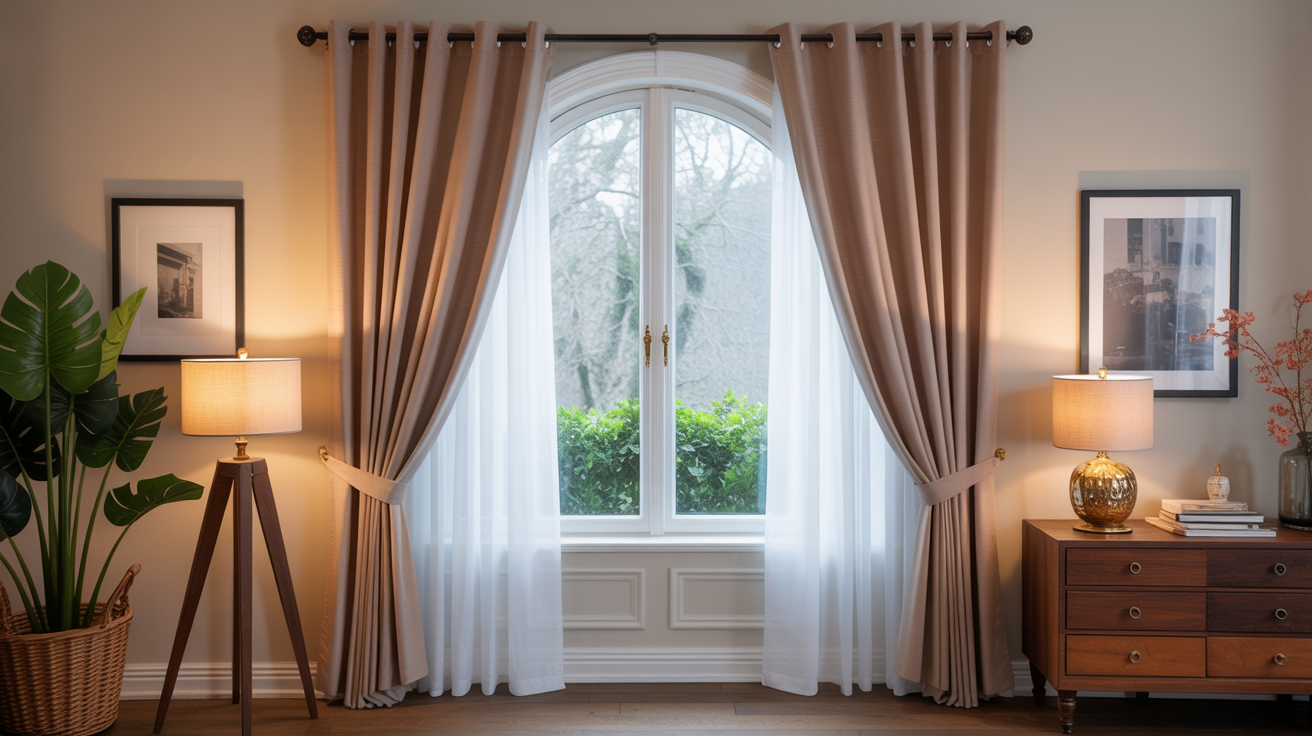
2. Mount Below the Arch
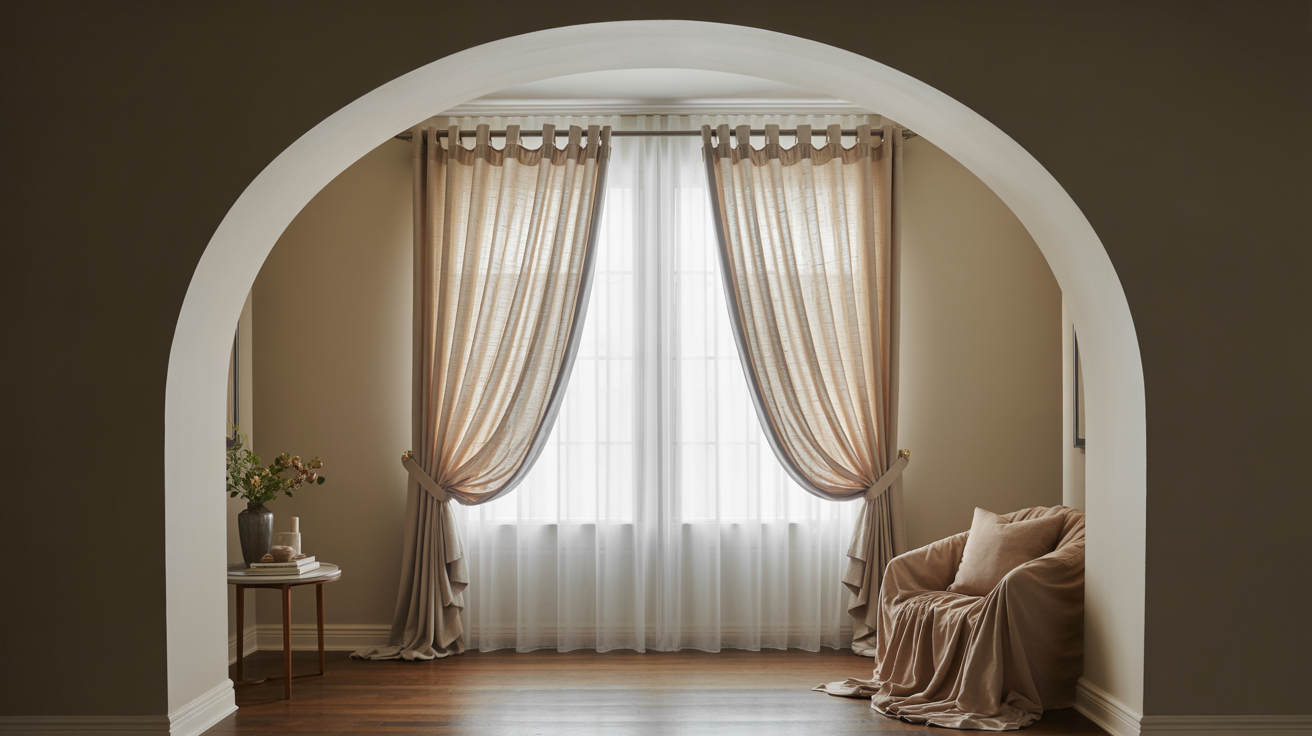
Place a straight rod just beneath the curve. The arched portion stays visible and exposed.
- The unique arch shape stays on display all the time
- Natural light flows through the top curve even when the curtains are closed
- Installation is simpler and less expensive than curved rods
This works beautifully in living rooms, dining rooms, and stairway windows. Pair this with sheer panels or lightweight linen for a breezy look.
3. Follow the Curve with a Curved Rod
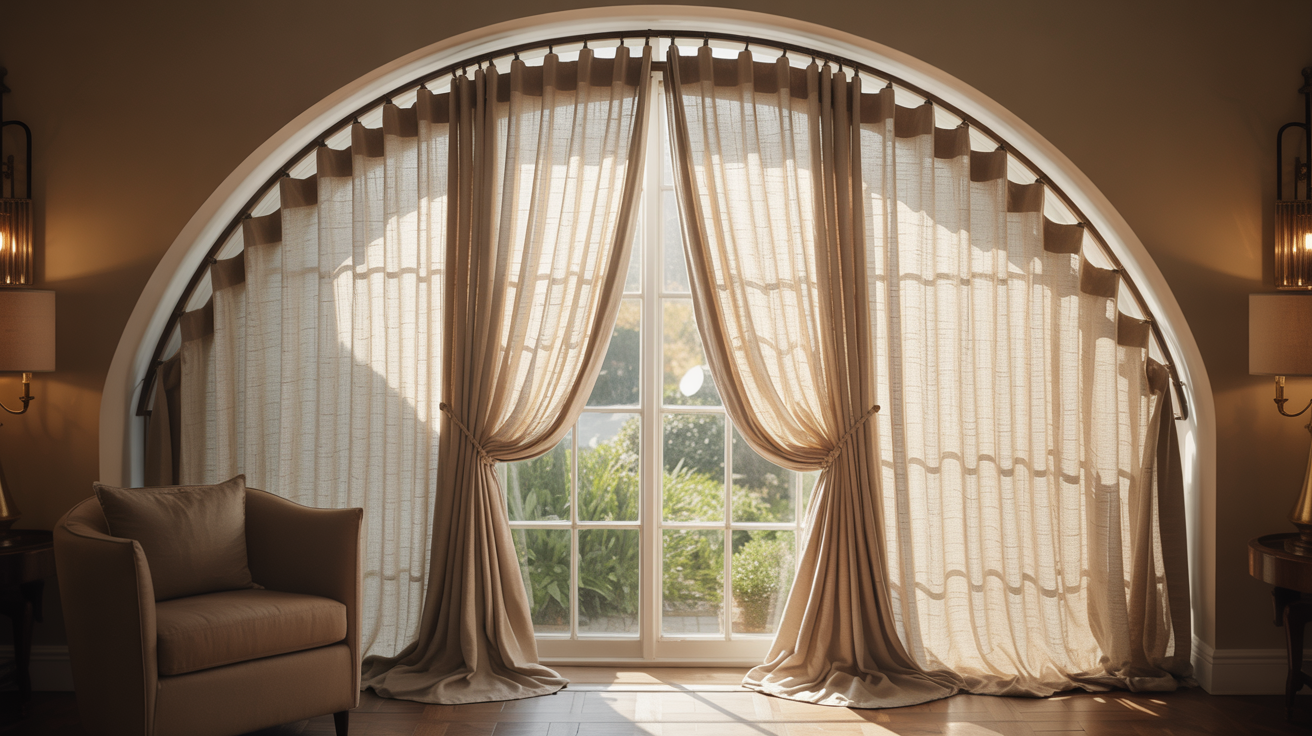
Use a custom-bent or flexible rod that follows the arch shape exactly. This creates a seamless, built-in look that feels high-end.
- Fabric flows along the window’s natural curve for a custom appearance
- More expensive and harder to open and close due to the curved motion
- Best for decorative treatments or windows you rarely adjust
This method works for statement windows in formal living rooms or entryways. Skip this if you open and close your curtains daily.
4. Partial Coverage Options
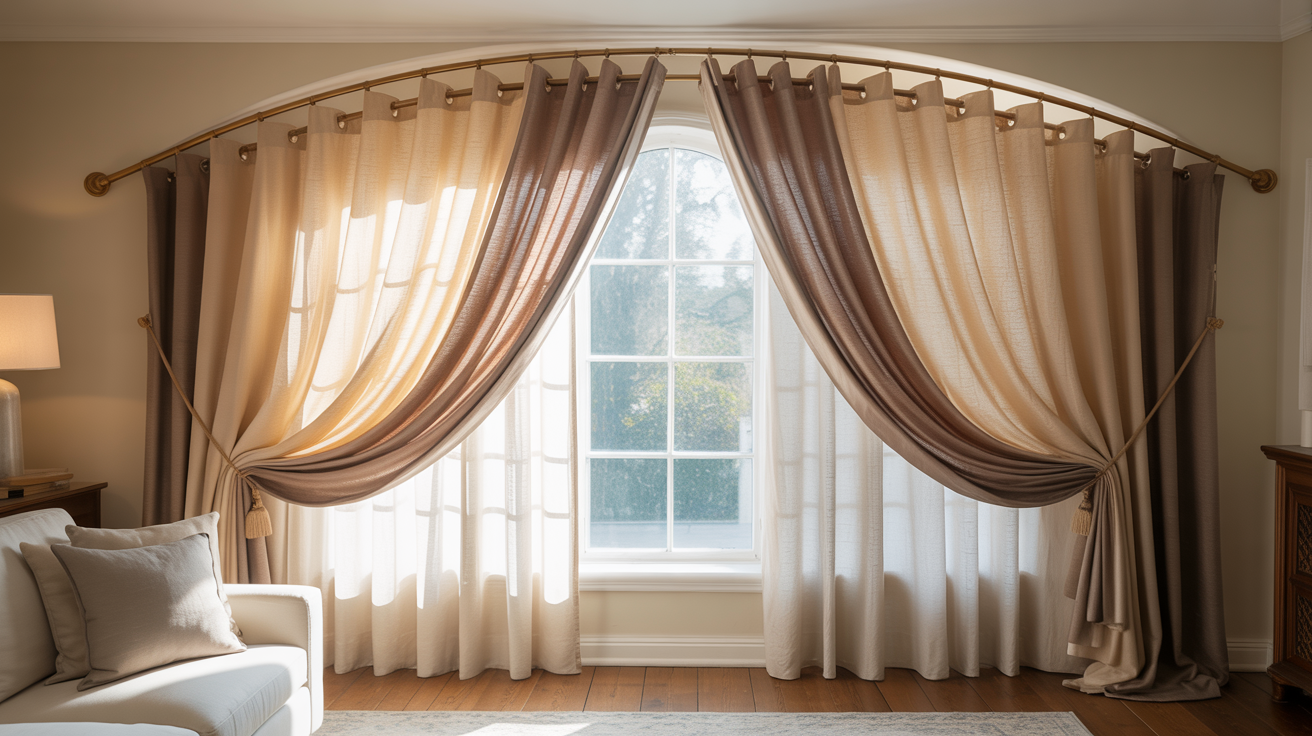
Place the rod halfway across the window, covering only the lower section. This approach balances privacy with architectural beauty.
- You get privacy on the lower half while keeping the arch visible
- Perfect for upper-floor rooms or bathrooms
- Use half-length drapes or café-style panels for a balanced effect
This method works when you need function and form. The arch stays beautiful while you get the coverage you need.
5. Swag Drapes and Valances
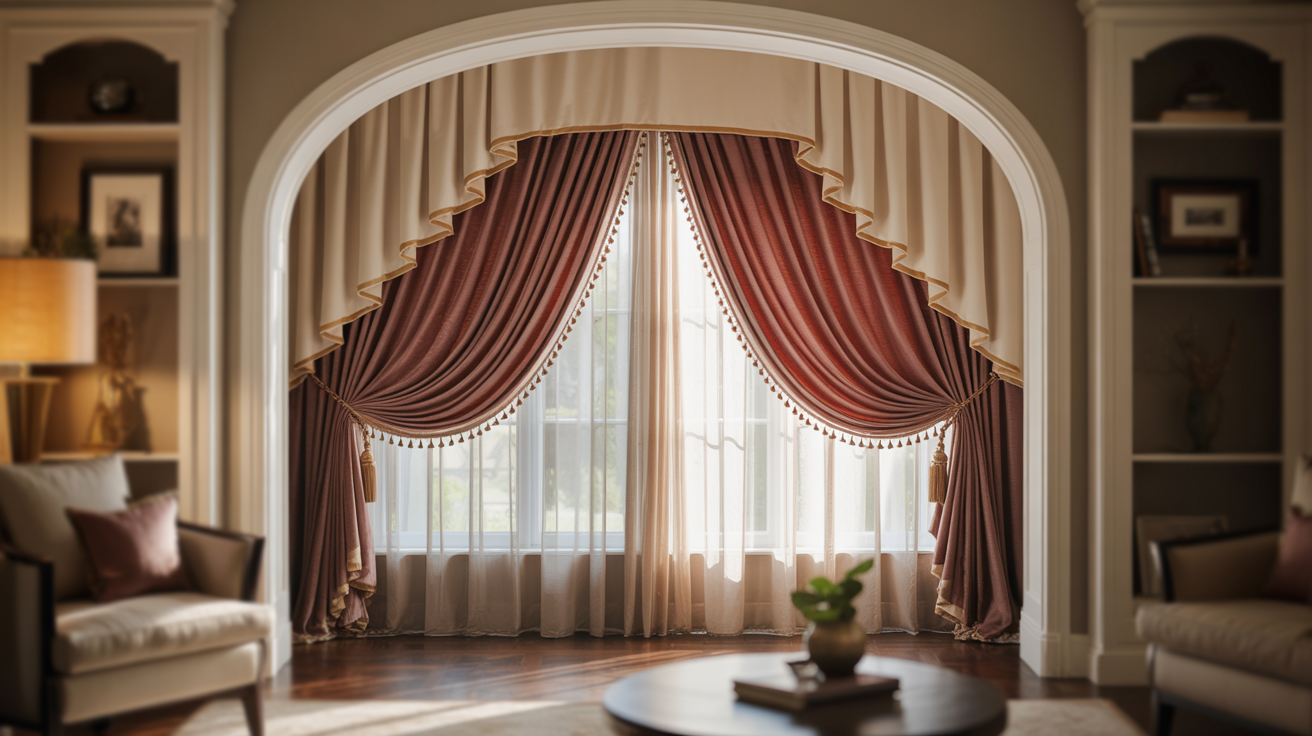
Drape soft fabric across hooks along the arch’s curve, or add a curved valance at the top. These decorative treatments highlight the shape.
- Accentuates the curve and adds style without structured lines
- Works beautifully with sheer or flowing fabrics
- Best for formal spaces, entryways, or purely decorative use
Choose patterned or embroidered valances for visual interest. For swags, stick with lightweight fabrics that drape naturally and flow with the curve.
Choosing the Right Curtain Hardware
I’ve learned that hardware matters just as much as the curtains themselves. You can have the most beautiful fabric, but poor hardware ruins everything. Let me show you what actually works.
Rod vs. Track Systems
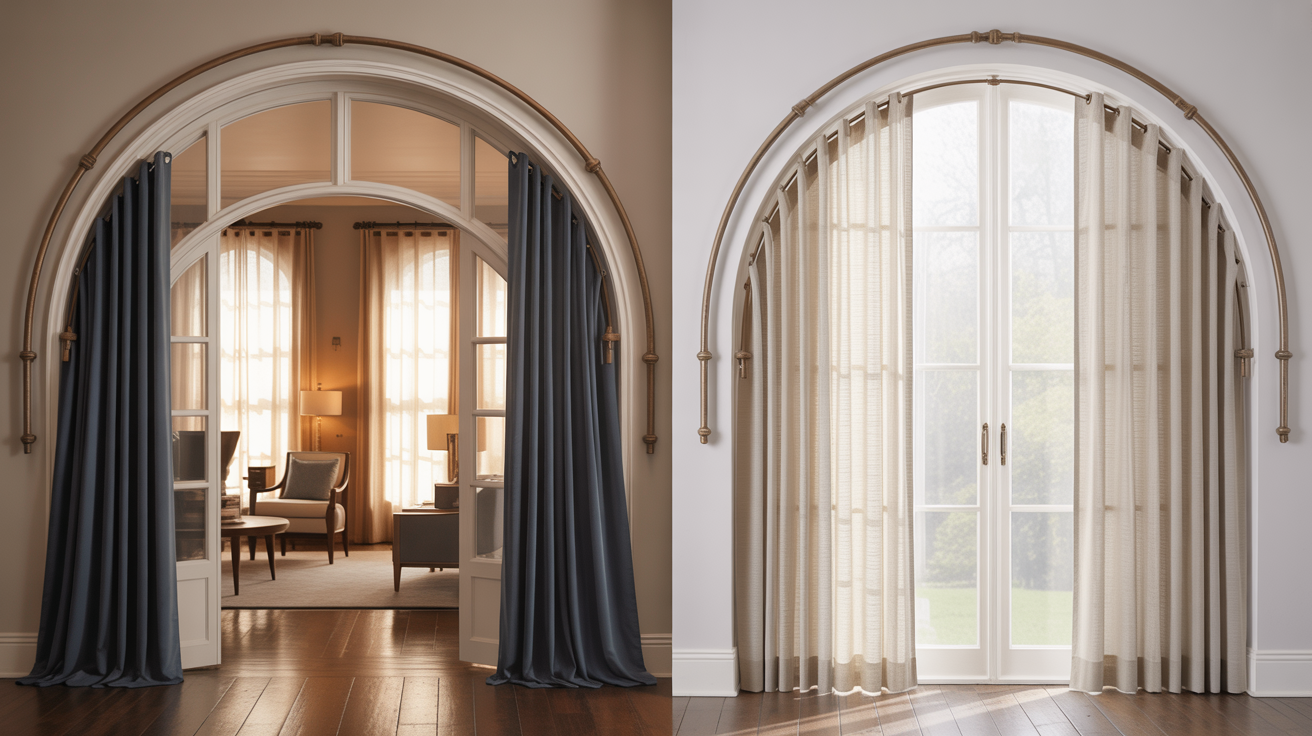
Your hardware choice changes how your curtains look and function. Rods are traditional. Tracks are modern. Both have their place.
- Rod & Rings: Classic look that works almost everywhere. They’re versatile and easy to install. But here’s the catch, they struggle with tall windows. The rings can stick and drag.
- Track Systems: Smooth, effortless operation. They look sleek and contemporary. Perfect for everyday use. No wrestling with stuck curtains.
- Motorized Tracks: Game-changer for arched or high windows. You press a button. The curtains glide. Simple as that.
Hardware Placement Tips
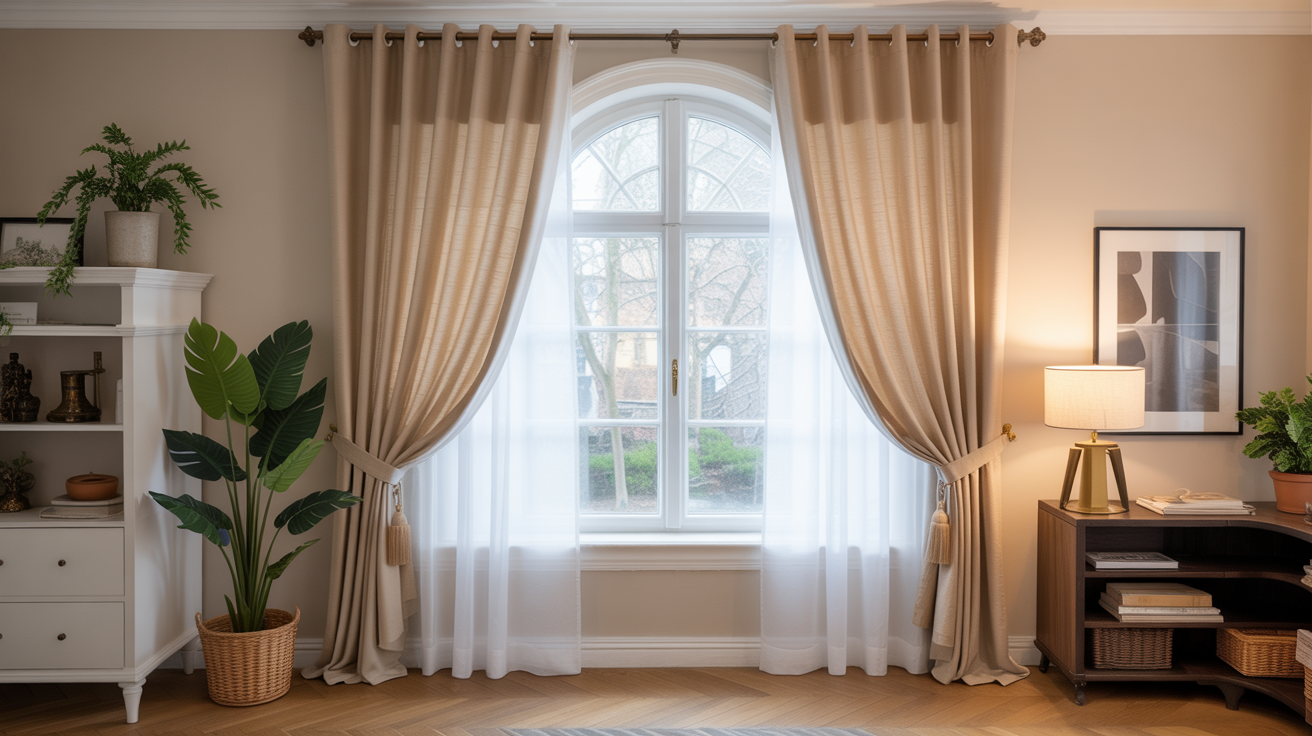
Mount high. Seriously high. You want your rods closer to the ceiling than you think. This tricks the eye. Your room looks taller instantly.
- Install rods at least 4-6 inches above the window frame
- Use wall anchors that can handle the weight. Drywall anchors fail with heavy drapes
- Double-check your brackets before hanging anything
- Add decorative finials or rosettes to tie everything together
Selecting Curtains for Arched Windows
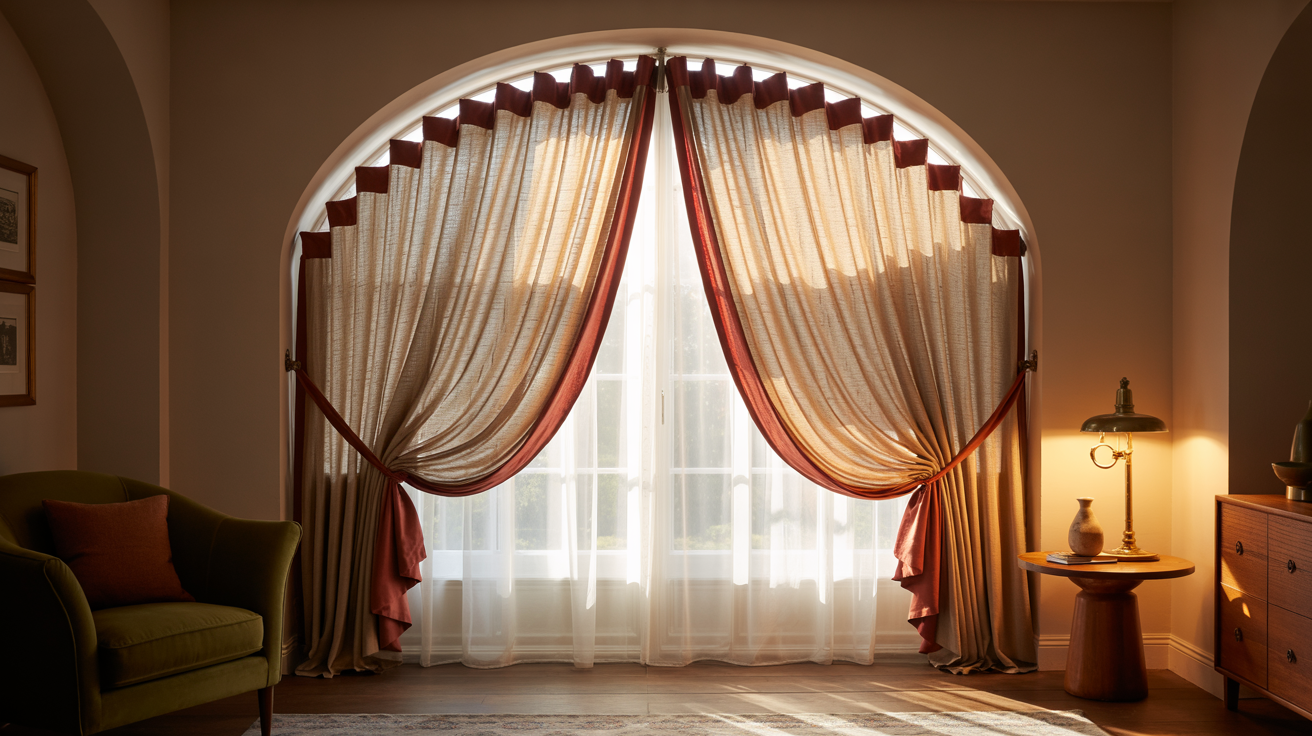
I know arched windows intimidate people. They’re beautiful but tricky. You need the right combination of pleat style, fabric, and lining. Get one wrong, and the whole look falls apart.
- Pleat Styles Matter: Ripple fold gives you that modern, linear look, best with ceiling tracks. Pinch pleat or structured pleat? Timeless style for traditional spaces. Grommet or rod pocket works for casual, lighter fabrics.
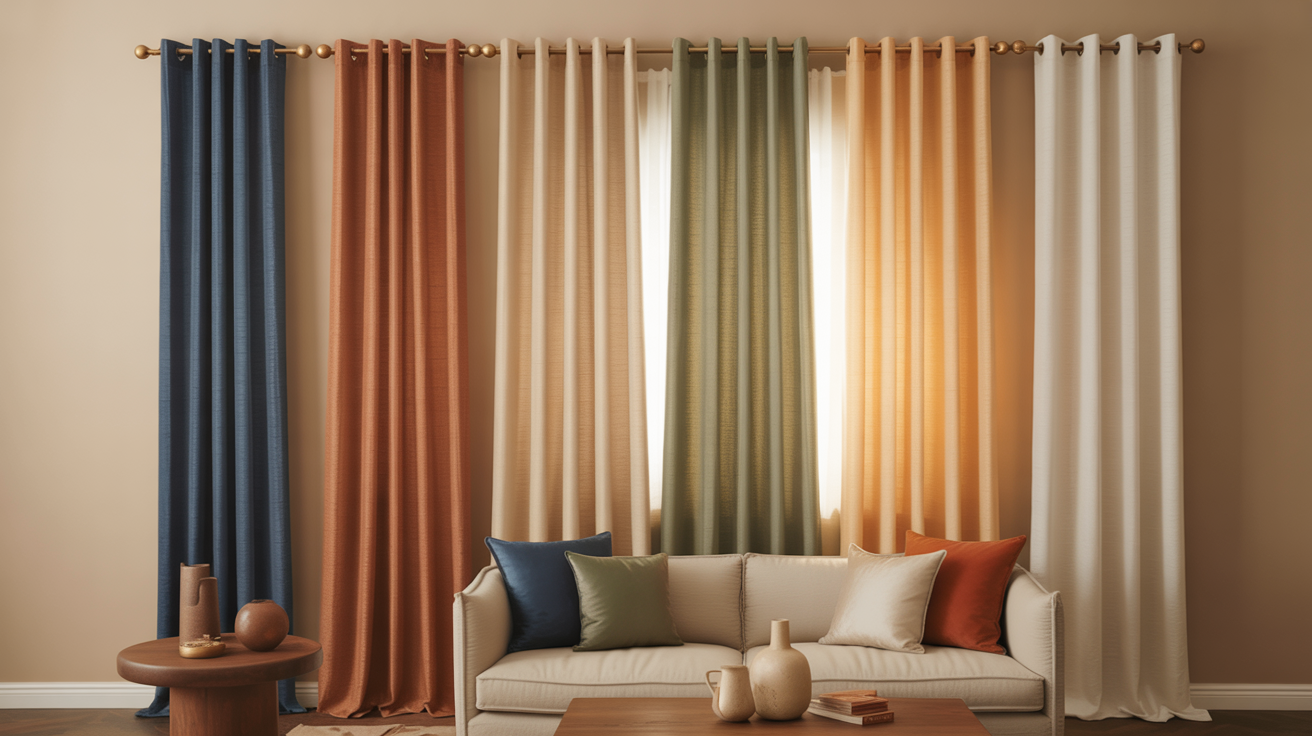
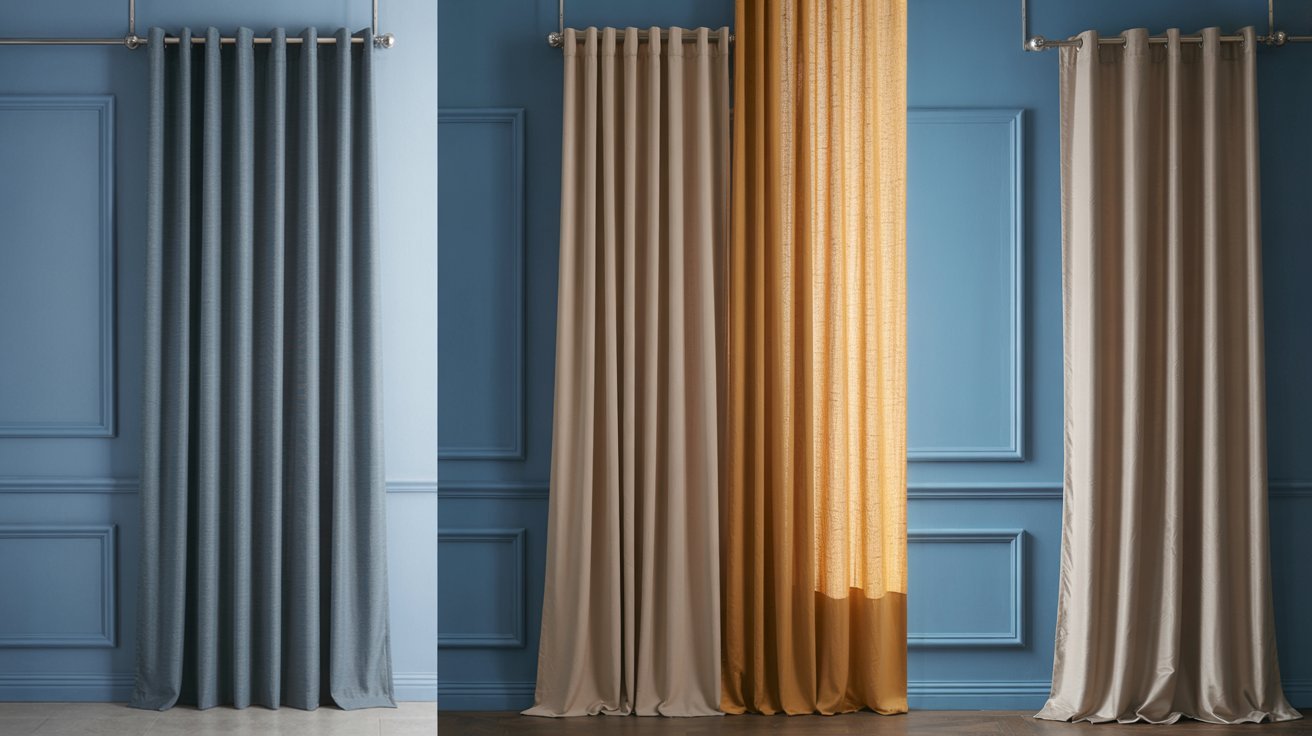
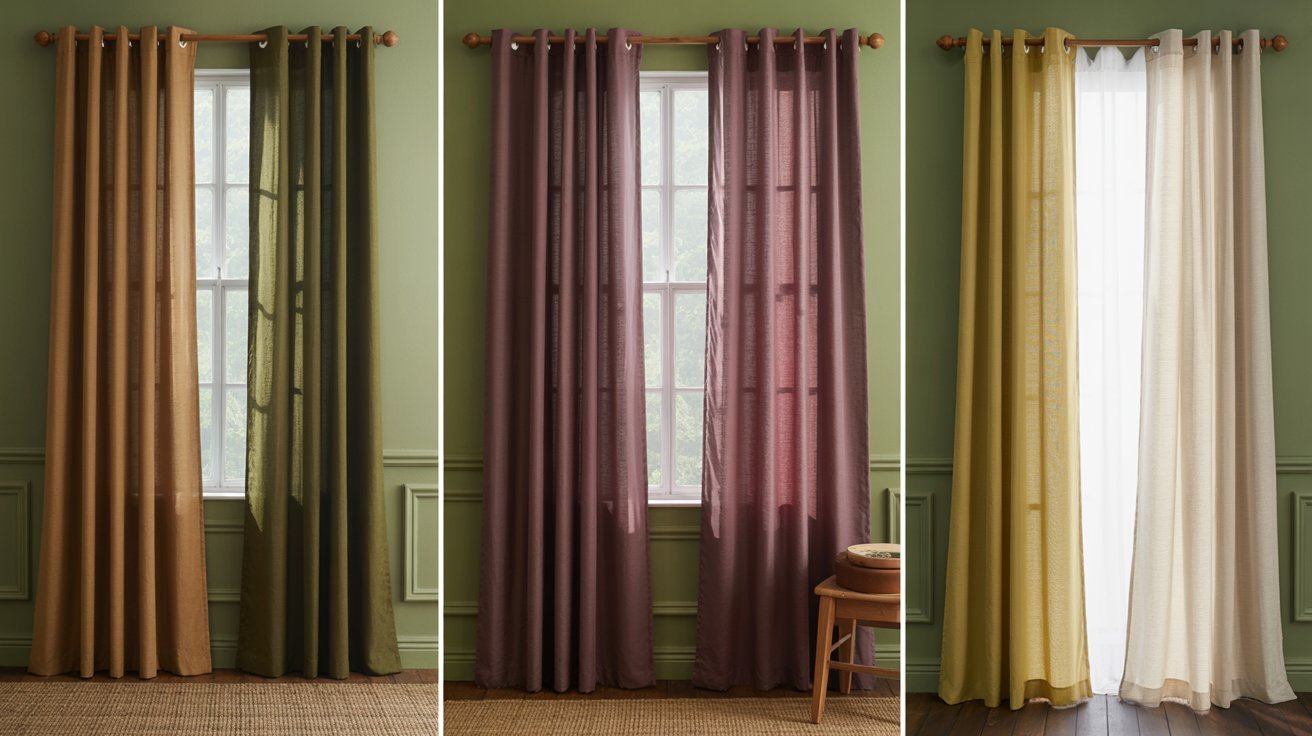
- Choose Your Fabric: Lightweight sheers soften light and show off that gorgeous arch. Linen or cotton blends balance texture with function. Velvet or wool adds serious luxury plus insulation when you need it.
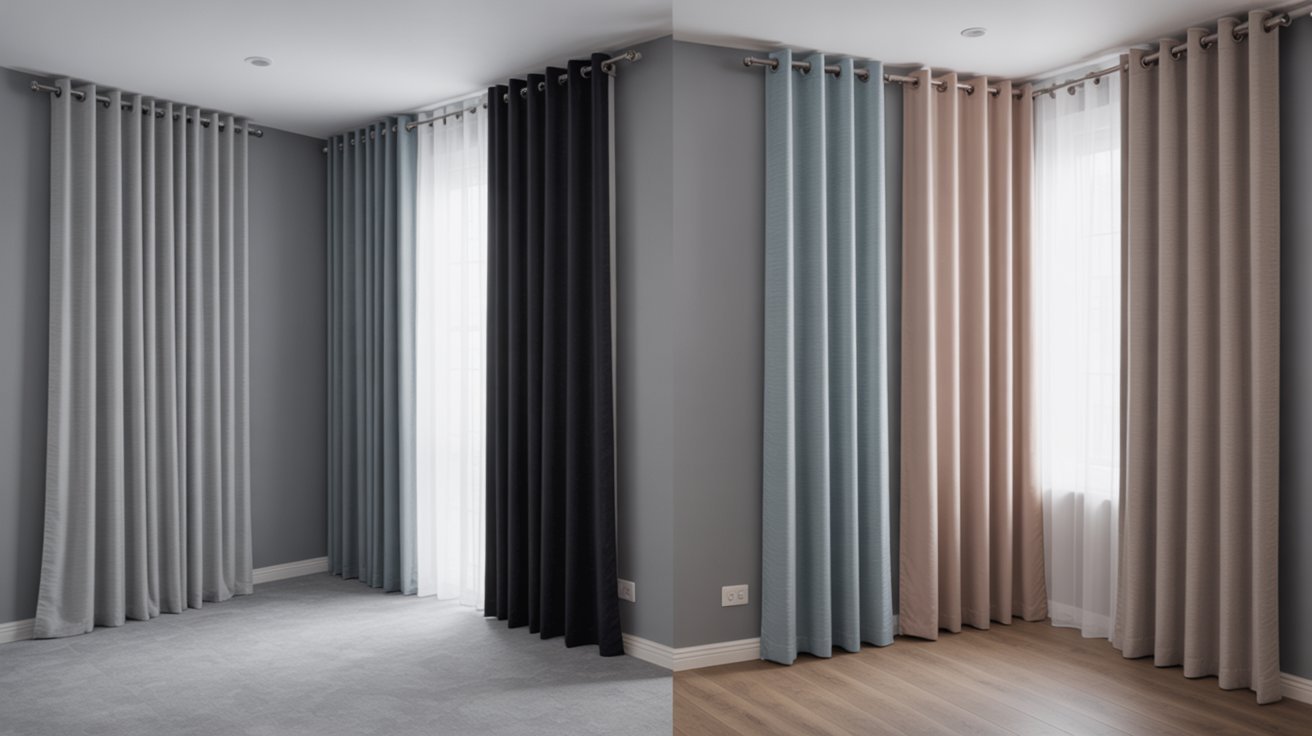
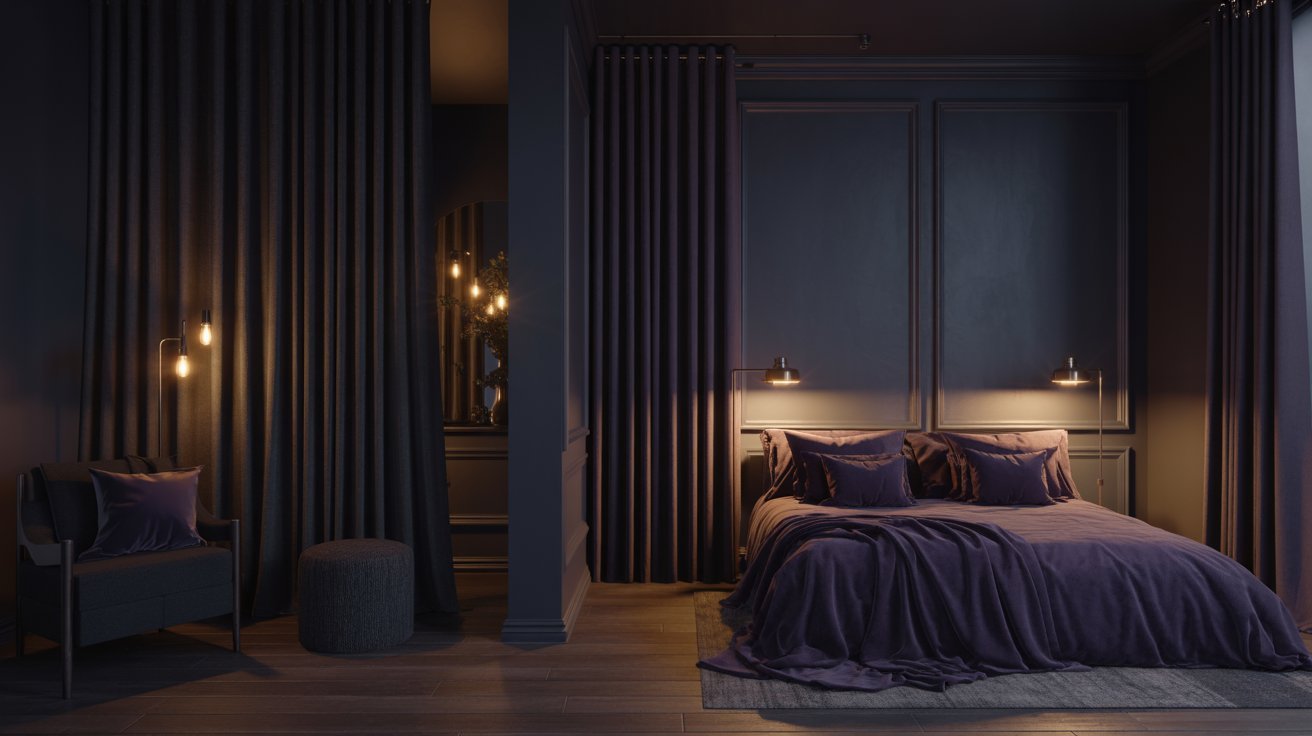
- Lining Changes Everything: Privacy lining filters light but keeps a soft glow. Blackout lining gives you total darkness, perfect for bedrooms or media rooms. Interlining adds body, fullness, and extra insulation all at once.
Pro Tips for a Polished Look
I’ve hung hundreds of curtains. Small details separate good from great. Here’s what professionals do that most people skip.
- Always Steam First: Wrinkled curtains look cheap, no matter how expensive they are. Iron or steam them before you hang anything. It takes ten minutes but makes a massive difference.
- Extra Fabric Width: I aim for 2-2.5 times the window width for fuller, more luxurious folds. Skimpy curtains look flat and sad.
- Layer for Control: Combine curtains with blinds or shades underneath. You get better light control, more privacy options, and added depth to your design.
- Symmetry Is Everything: With multiple arched windows, measure twice and hang once. Uneven curtains stick out like a sore thumb and ruin the whole look.
- Go Custom When Needed: Off-the-rack rarely fits arched windows perfectly. Custom-made drapes cost more upfront but give you exact measurements and spot-on proportions every time.
Conclusion
You now know how to hang curtains on arched windows without stress or guesswork. The key is choosing the right mounting method for your arch style, measuring carefully, and using hardware that actually fits your space. It’s not about fancy tricks, just the right approach.
Your arched window doesn’t have to stay bare anymore. You’ve got the tools and knowledge to make it look exactly how you want. If you went with a curved rod or mounted it below the arch, you did it.
Got questions or want to share how yours turned out? Drop a comment below. And if this guide helped you finally tackle those tricky windows, pass it along to someone else who’s been staring at their arches, wondering where to start. We’re all figuring this stuff out together.
Frequently asked questions
Can you hang regular curtains on arched windows?
A: Yes, you can. The easiest method is mounting a standard curtain rod on the wall below the arch. This covers the window while preserving the arch’s decorative appeal. Alternatively, use flexible curved rods that follow the arch shape for a custom look.
What type of curtain rod works best for arched windows?
Flexible curved rods work best if you want to follow the arch shape. For simpler installation, use a standard straight rod mounted just below where the arch begins. Both options work well. Choose based on your budget and desired look.
Do I need special hardware for arched window curtains?
Not necessarily. If mounting below the arch, standard brackets and rods work fine. For curved installations, you’ll need flexible track systems or bendable rods designed for arches. Most hardware stores carry these specialty items at reasonable prices.
Where should I mount curtain rods on arched windows?
Mount rods either directly below the arch’s curve or 4-6 inches above the arch’s peak. Below-arch mounting is easier and more common. Above-arch mounting requires curved hardware but showcases the full window shape when curtains are open.
How do you measure curtains on arched windows?
Measure the width where you’ll mount the rod, not the arch itself. For length, measure from your rod position to your desired endpoint (sill or floor). Add 4-6 inches to the width for proper coverage and fullness.